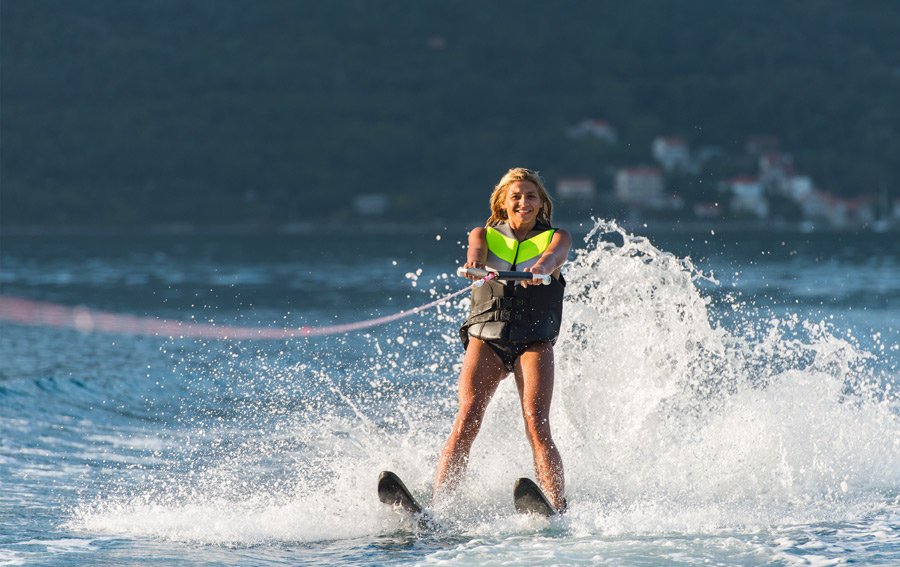
Hey there, fellow water enthusiast. Picture this: It’s a crisp summer morning on the lake, the sun’s just peeking over the horizon, and you’re floating in the cool water, skis on, rope in hand, heart pounding with excitement. That was me back in 2012, my first real attempt at water skiing. I remember wiping out spectacularly—face full of water, skis flailing like they had a mind of their own. But oh man, when I finally nailed that deep water start, gliding across the surface like I owned the lake? Pure magic. If you’re here, you’re probably itching to experience that thrill yourself. Water skiing isn’t just a sport; it’s a rite of passage, a way to connect with the water and feel alive. And the deep water start? That’s the gateway. In this guide, I’ll walk you through the four essential steps, drawing from my own trial-and-error adventures and years of coaching friends who were just as clueless as I was. We’ll cover everything from gear to technique, safety to troubleshooting, so you can skip the epic fails and head straight to the fun. Let’s dive in—pun intended.
What Is a Deep Water Start in Water Skiing?
A deep water start is the classic way to get up on water skis from the middle of a lake or ocean, where the water’s too deep to stand. Instead of launching from a dock or beach, you begin submerged, skis floating in front of you, and let the boat’s pull lift you onto the surface. It’s the most common method for beginners because it mimics real-world conditions—no shallow edges to rely on.
This technique builds core strength and balance right from the get-go, teaching you to trust the boat’s power rather than muscling your way up. From my experience, it’s like learning to ride a bike: wobbly at first, but once you get the rhythm, you never forget. Historically, water skiing kicked off in 1922 when Ralph Samuelson invented it on Lake Pepin in Minnesota, starting with improvised wooden planks and a simple towline. He figured out that keeping ski tips up was key—much like today’s deep water starts. Fast forward to now, and it’s evolved into a global sport, but the basics remain the same. Whether you’re informational-curious about “what is a deep water start” or ready to buy gear, mastering this sets you up for slalom skiing or even tricks down the line.
Why Master the Deep Water Start Technique?
Mastering the deep water start isn’t just about getting on the water; it’s about building confidence and avoiding frustration. For beginners, it’s the hardest part—I’ve seen grown adults curse the waves after a few failed tries—but once you crack it, skiing feels effortless. It teaches you to relax and let physics do the work, which translates to better control at speed.
In my early days, I struggled because I was tense, pulling too hard on the rope like it owed me money. A buddy who was a seasoned skier pulled me aside and said, “Kid, the boat’s the boss— you’re just along for the ride.” That lightbulb moment changed everything. Plus, it’s practical: No need to hunt for shallow spots or deal with beach crowds. If you’re searching for “how to deep water start on water skis,” you’re likely aiming for that independence. And hey, with a little humor, remember: Every wipeout is just practice for your next viral fail video—or better yet, your success story.
Essential Equipment for a Successful Deep Water Start
Before you even touch the water, gear up right. The right equipment makes the difference between smooth starts and soggy struggles. Start with combo skis for beginners—they’re wider for stability and easier deep water starts, unlike slalom skis that demand more skill.
You’ll need a tow rope with a deep V handle; it cradles the ski tip to keep it straight. Don’t skimp—get one rated for your weight. A life vest is non-negotiable for buoyancy and safety. From my collection, I swear by the HO Sports Blast Combo skis; they’re forgiving for newbies. Where to get them? Check out local marine shops or online at Wakesports Unlimited. For transactional intent, the best tools include adjustable bindings for a snug fit and a spotter mirror for the driver. Invest wisely—cheap gear leads to costly mishaps, as I learned when my bargain rope snapped mid-pull.
Safety First: Preparing for Your Deep Water Start
Safety isn’t a buzzkill; it’s the foundation of fun. Always wear a Coast Guard-approved life jacket, even if you’re a strong swimmer—water’s unpredictable. Check the weather: Calm waters are best for starts; choppy conditions can flip you like a pancake.
Designate a sober spotter and driver; no exceptions. Review hand signals: Thumbs up for speed, hand chop for stop. In my first group outing, we skipped this, and chaos ensued—someone thought “okay” meant “faster,” leading to a near-collision. Funny now, terrifying then. Ensure the area is clear of swimmers, boats, and obstacles—at least 200 feet wide and 5-6 feet deep. For emotional appeal, think of it as protecting your loved ones; I’ve seen minor slips turn serious without prep. Follow these, and you’ll ski worry-free.
Step-by-Step Guide: The 4 Steps to Nail Your Deep Water Start
Now, the meat: Those four steps you’ve been waiting for. I’ll break them down simply, with tips from my own lake-side epiphanies. Remember, patience is key—expect a few splashes before glory.
Step 1: Position Yourself in the Water
Float on your back in chest-deep water, skis on, tips pointing up about 6-12 inches above the surface. Hold the rope between your skis, arms straight out, knees tucked to your chest in a cannonball pose. This “chair position” minimizes drag and maximizes lift.
I used to bob like a cork, skis sinking—big mistake. Keep relaxed; tension kills balance. Your lead foot (the one you step forward with first) goes in the front binding. Signal “ready” with a thumbs up. This setup, pioneered in Samuelson’s early experiments, ensures the boat’s pull aligns perfectly with your body.
Step 2: Grip the Rope and Signal the Boat
Grab the handle knuckles-up, elbows outside your knees, back straight. Yell “Hit it!” or signal once the slack’s taken up. The driver idles first for tension, then accelerates smoothly to 20-25 mph for beginners.
My hilarious fail? Gripping too tight, arms like rigid poles—rope yanked me forward like a ragdoll. Loosen up; let the V-handle guide the ski. For slalom aspirants, position the rope on the ski’s inside. This step’s crucial—poor grip means instant dunk. Practice on land: Have a friend pull you from a seated position to build muscle memory.
Step 3: Let the Boat Pull You Up
As the boat surges, stay low, knees bent, weight back slightly. Don’t stand prematurely; let the force unfold your legs naturally. Keep arms straight—pulling in causes the skis to shoot out.
This is where most beginners, like I did initially, fight the pull and face-plant. Relax your core, exhale through the spray—it’s like surrendering to a wave. The boat does 80% of the work; your job is balance. Aim for a gradual rise; if you’re plowing water, abort and reset. Once planing, straighten legs slowly. Feels like flying when it clicks—trust me, that first glide is addictive.
Step 4: Transition to Gliding Position and Maintain Balance
Now up, shift weight forward over the skis, knees soft for absorption. Look ahead, not down—staring at the water invites wipeouts. Gradually stand tall, hips ahead of toes, arms extended.
I remember my breakthrough: Instead of rigid, I flowed with the boat’s rhythm, turning minor wobbles into smooth cruises. For turns, lean gently, edging the skis. If dropping to one ski, release the outside one once stable. Maintain speed at 28-32 mph; too fast, and you’re toast. Practice short runs first. This final step seals the deal— from novice to skier in moments.
Common Mistakes to Avoid During Deep Water Starts
Even pros slip up, but beginners? We invent new ones. One biggie: Standing too soon, which buries the tips and sends you tumbling. I did this endlessly, earning the nickname “Splash Master” from friends.
Another: Bent arms pulling the rope in—skis bolt forward, leaving you horizontal. Keep ’em straight! Leaning back excessively causes over-correction; stay centered. Forgetting to clear the area? Recipe for disaster. And don’t ignore fatigue—rest between tries, or you’ll burn out. Light humor: Think of mistakes as free baths. Learn from them, and you’ll progress faster than I did.
Pros and Cons of Deep Water Starts vs. Other Methods
Deep water starts shine for realism and accessibility—no dock needed. Pros: Builds technique, works anywhere deep, great for slalom practice. Cons: Physically demanding, higher failure rate for newbies, requires boat power.
Compare to dock starts: Easier entry but limited locations; pros include less pull needed, cons are accessibility. Beach starts? Fun and dry, but shallow water only—ideal for calm days, risky in currents. In my experience, deep water wins for versatility, though dock starts helped me build confidence initially. Choose based on your spot; for open lakes, deep water’s king.
| Method | Pros | Cons | Best For |
|---|---|---|---|
| Deep Water | Realistic, versatile, skill-building | Demanding, boat-dependent | Lakes, oceans, intermediates |
| Dock Start | Easy pull, quick setup | Location-specific, less practice | Beginners with access |
| Beach Start | Dry entry, fun challenge | Shallow only, current risks | Calm shores, advanced |
Best Water Skis and Tools for Beginners
For beginners, wide combo skis like the Radar Session or HO Omni are gold—easier deep starts, stable ride. Size by weight: 150-200 lbs? Go 67-69 inches. Bindings should adjust; rubber ones forgive fit errors.
Tools: Deep V rope for ski control, stability bar for kids. Where to get? Overton’s has deals. Transactional tip: Budget $200-400 for a solid set. My first pair was cheap knockoffs—regret city. Invest in quality; it’ll last and boost success.
- Radar Session: Widest for easy ups, all-terrain core.
- HO Omni: Hybrid width, smooth turns.
- O’Brien Combo: Affordable, family-friendly.
Pros of good gear: Fewer fails, more fun. Cons: Upfront cost. Worth it every time.
Advanced Tips for Perfecting Your Technique
Once basics click, level up. For slalom deep starts, drag the back foot as a rudder—keeps you steady. Focus on edging: Weight on balls of feet for turns.
From coaching, I advise videoing runs; seeing your form reveals quirks like uneven weight. Build endurance with core workouts—planks mimic the pull. Humor alert: If you’re still splashing, blame the boat… just kidding, it’s you. Practice progressive speeds; start slow, build. Emotional win: That mastery feeling? Priceless.
People Also Ask: Common Questions on Deep Water Starts
Drawing from real searches, here’s what folks wonder. These cover informational intent like “how deep for water skiing start.”
How Deep Does the Water Need to Be for a Deep Water Start?
At least 5-6 feet to avoid bottom snags—deeper’s better for safety. Shallower risks propeller strikes or entanglements. In my Lake Pepin days, we stuck to 8+ feet; anything less felt sketchy.
Can Beginners Do Deep Water Starts on One Ski?
It’s tough—start with two, drop one later. Single ski demands balance; I wiped out 20 times before succeeding. Use a trainer rope. Pros say wait till comfy on doubles.
What’s the Best Boat Speed for a Deep Water Start?
20-25 mph for beginners; 28-32 for experienced. Too slow, you sink; too fast, yanked. Driver, communicate—my early speeds were all over, leading to comedy gold fails.
How Do You Prevent Taking Water in the Face During Starts?
Exhale forcefully, head back slightly, stay low. Wear a nose clip if needed. I gulped lakesful before learning this—tasted like fishy regret.
Frequently Asked Questions (FAQ)
Got lingering doubts? Here’s a quick FAQ based on real user queries, optimized for snippets.
1. What If I Can’t Get Up After Several Tries?
Rest, reset position—fatigue kills it. Check gear; often it’s ski angle. I took breaks, analyzed with friends. Persistence pays; don’t quit after five.
2. Is a Life Jacket Required for Deep Water Starts?
Absolutely—law in most places, and smart. It aids buoyancy. I’ve seen vests save lives; don’t skip.
3. How Long Until I Master the Deep Water Start?
Varies: 30 minutes for naturals, hours for others. Practice 5-10 sets per session. My first success? After two exhausting hours—worth every splash.
4. Can Kids Do Deep Water Starts?
With trainer skis and supervision, yes—from age 5-6. Start slow; my niece nailed it at 7 with a stability bar.
5. What’s the Difference Between Deep Water and Slalom Starts?
Slalom’s single ski, harder balance—rope inside ski. Deep water’s foundational; master it first.
There you have it—your roadmap to conquering the deep water start. From my watery beginnings to coaching dozens, I’ve seen the joy it brings. Grab your skis, hit the lake, and remember: Every pro was once a splashy beginner. If this helped, drop a comment or share your story. Safe skiing, and may your starts be smooth and your glides endless.