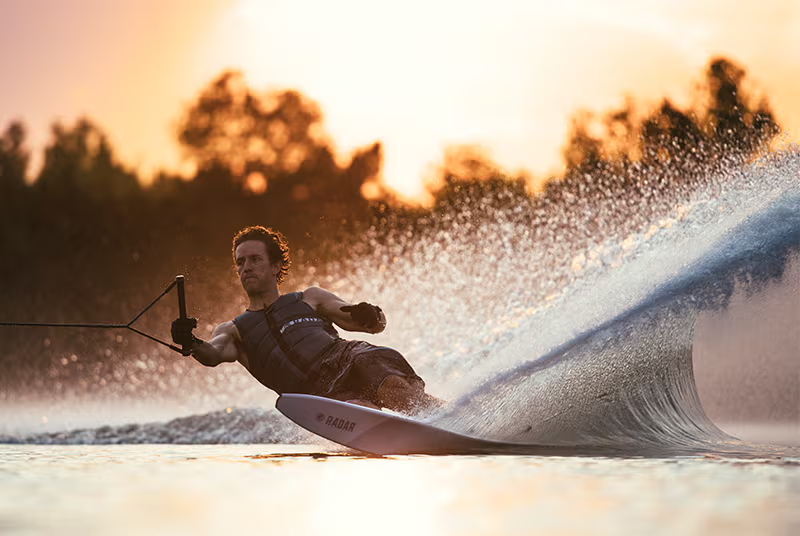
Hey there, fellow water lover! Picture this: It’s a crisp morning in late spring, the sun’s just peeking over the horizon, turning the lake into a shimmering mirror. You’re out on the boat with your buddies, the engine humming softly, and you’re about to strap on those skis for the first time this season. I remember my very first water skiing trip like it was yesterday—back in my early twenties, on a family outing to Lake Tahoe. I was so excited I could barely sleep the night before, but when I wiped out spectacularly on my third attempt, splashing everyone within 50 feet, we all ended up laughing until our sides hurt. That mix of adrenaline, wipeouts, and pure joy? That’s the magic of water skiing. But trust me, without the right prep, it can turn into a frustrating flop. Over the years, I’ve hit the water more times than I can count, from calm Midwest lakes to choppy coastal bays, and I’ve learned a thing or two about what makes a trip truly successful. In this guide, I’m sharing five key tips drawn from my own adventures and chats with seasoned skiers. Whether you’re a total newbie wondering “what is water skiing?” or a weekend warrior looking to level up, these insights will help you glide smoothly and avoid the pitfalls. Let’s dive in—pun intended—and get you set for an unforgettable ride.
Tip 1: Gear Up with the Right Equipment
Choosing the perfect gear is like picking the right tool for any job—it sets the foundation for everything else. For beginners, starting with combo skis that can transition to slalom makes sense, as they offer stability without committing you to one style right away. I recall borrowing my cousin’s old combo skis on that Tahoe trip; they were wide and forgiving, helping me stay afloat longer than I expected. Don’t skimp here; quality gear from reputable brands like Radar or HO Sports can make all the difference in comfort and performance.
What Is the Best Water Skiing Gear for Beginners?
When it comes to skis, beginners should opt for wider models with a larger surface area to prevent sinking. Brands like the 2025 Radar Union are fantastic for novices, offering a broad tip for easier starts and stability at speeds around 20-28 mph. Pair them with adjustable bindings that fit snugly but allow quick release—think Vector boots for that custom feel. Life jackets are non-negotiable; go for a USCG-approved Type III vest that’s buoyant yet mobile. I always swear by impact-rated ones for that extra cushion during falls. Tow ropes? A 75-foot floating line with a deep-V handle helps keep your skis pointed forward during deep-water starts. And don’t forget wetsuits for cooler waters or sunscreen for those sunny days—I’ve got the sunburn scars to prove why!
Pros and Cons of Combo Skis vs. Slalom Skis
Combo skis shine for versatility, letting you ski on two or drop to one as you progress, but they can feel bulkier for advanced turns. Slalom skis, narrower and more responsive, excel in precision but demand better balance from the get-go. In my experience, starting with combos built my confidence without overwhelming me, though switching to slalom later felt like upgrading from training wheels.
| Feature | Combo Skis | Slalom Skis |
|---|---|---|
| Stability | High – Great for beginners | Moderate – Requires skill |
| Versatility | Excellent – Dual use | Single purpose only |
| Speed Handling | 20-30 mph ideal | 28-36 mph for performance |
| Price Range | $250-$500 | $300-$600 |
| Best For | Learning and family fun | Competitive slalom runs |
Where to Get Quality Water Skiing Equipment
Head to specialized shops like Wakesports Unlimited or online at WaterSkis.com for the latest 2025 models. Local marinas often rent gear too—perfect for testing before buying. I once scored a sweet deal on a used set from a fellow skier at a lake meetup; check forums like Reddit’s r/WaterSkiing for tips on second-hand finds. Always inspect for wear, and remember, fitting is key—get sized properly to avoid blisters.
Tip 2: Master Safety First – Your Non-Negotiable Foundation
Safety isn’t just a checkbox; it’s the difference between a thrilling day and a trip to the ER. I’ve seen friends push limits without proper precautions, and it never ends well—remember that time my buddy forgot his life jacket and took a nasty tumble? We fished him out laughing, but it could’ve been serious. Prioritizing safety builds trust on the water, letting everyone relax and enjoy. From life jackets to spotters, getting this right ensures your adventure stays fun.
Essential Water Skiing Safety Rules
Always wear a Coast Guard-approved life jacket—Type III for skiing, as it’s buoyant without restricting movement. Never ski alone; have a designated spotter in the boat to watch for signals and falls. Check weather forecasts to avoid storms, and steer clear of alcohol—I’ve learned the hard way that a beer before skiing turns coordination into comedy. Maintain distance: at least 300 feet from other vessels and 100 feet from shores or swimmers. And inspect gear pre-trip; frayed ropes or worn bindings are accident waiting to happen.
Hand Signals Every Skier Should Know
Clear communication is crucial when you’re zipping across the water. The “thumbs up” means speed up, “thumbs down” to slow, a raised hand for stop, and patting your head signals “I’m okay” after a fall. Crossing arms means “turn around,” and pointing left or right directs the boat. On my first group trip, nailing these signals prevented a near-miss with another boat—practice them onshore to make ’em second nature.
- Thumbs up: Increase speed
- Thumbs down: Decrease speed
- Raised hand: Stop immediately
- Pat head: Skier is okay after fall
- Crossed arms: Return to skier
- Pointing: Direction to turn
Pros and Cons of Wearing Protective Gear
Protective gear like helmets and wetsuits pros outweigh cons for sure—helmets prevent head knocks during jumps, and wetsuits keep you warm and rash-free. But they can feel bulky at first, adding weight that tires you out quicker. In choppy water once, my wetsuit saved me from hypothermia; the minor discomfort was worth it.
Tip 3: Choose the Perfect Location and Timing
Picking the right spot can elevate your trip from good to epic. Calm, open waters are a beginner’s dream, and timing it right means glassy surfaces and fewer crowds. I fondly remember discovering a hidden cove on Lake Cumberland during a Kentucky getaway—smooth as silk, with just enough space to practice without dodging speedboats. Researching ahead saves headaches and maximizes fun.
Best Places for Beginner Water Skiing
Lakes like Lake Cumberland in Kentucky or Lake Powell on the Arizona-Utah border are ideal, with marinas offering rentals and calm bays for learning. For coastal vibes, try the calm side of bays in Florida, but avoid rough ocean swells. Schools like those in Orlando Watersports Complex provide guided sessions in controlled environments—perfect if you’re navigational intent is “where to learn water skiing near me.”
When Is the Ideal Time for a Water Skiing Trip?
Aim for early mornings or late afternoons in summer for flatter water and milder temps—late July to early August hits peak warmth in many spots. Avoid weekends if possible; crowds amp up collision risks. Check local regs too; some areas restrict skiing times. My best sessions? Dawn patrols when the lake’s a mirror, and you’re the only ones out there.
Weather Considerations for Safe Skiing
Sunny with light winds under 10 mph is prime, but watch for sudden changes—thunderstorms are no-go. Use apps like Windy for forecasts. Once, a surprise squall turned our calm day choppy; we packed up early, but better safe than sorry.
Tip 4: Build Your Skills Before You Hit the Water
Skills don’t come overnight, but prepping on land or in shallow water builds confidence fast. I spent hours practicing starts in my backyard pool before my first real run—silly looking, but it paid off. Whether informational “how to water ski” basics or advancing to slalom, gradual progression keeps it enjoyable.
Basic Techniques for Getting Up on Skis
Start in deep water: Knees to chest, arms straight, rope between skis, tips up. Let the boat pull you—don’t yank! Once planing, stand with bent knees, eyes forward. For slalom, practice edging in shallow water first. My Tahoe wipeouts taught me patience; rushing leads to face-plants.
Common Mistakes and How to Avoid Them
Pulling arms in too soon throws balance—keep ’em straight. Standing too early sinks you; wait for speed. Over-leaning on turns causes edges to catch. Light humor: I once crossed the wake like a drunk flamingo—practice slowly to avoid that!
Training Drills for Beginners
- Dry-land cannonball: Simulate pull with a partner.
- Shallow water edging: Build balance without full speed.
- Balance board exercises: Strengthen core off-water.
Tip 5: Respect Etiquette and Plan Logistics Smoothly
Etiquette keeps the peace on shared waters, and solid planning ties it all together. Nothing kills the vibe like cutting off another skier or forgetting snacks. On a group trip to Lake Michigan, yielding right-of-way turned potential drama into friendly waves—etiquette fosters community.
Water Skiing Etiquette Rules
Yield to larger vessels, stay in designated zones, and don’t spray swimmers. Keep wakes minimal near shores. Signal intentions clearly. Transactional intent? Best tools include a spotter flag and radio for comms.
Pros and Cons of Group vs. Solo Trips
Groups mean shared costs and spotters but can get chaotic with scheduling. Solo offers flexibility but requires self-reliance. I love groups for the laughs, but solos for focused practice.
Packing Essentials for Your Trip
- Snacks and hydration (electrolytes!)
- First-aid kit
- Towels and dry clothes
- Sunscreen, hats
Don’t forget internal links like our gear guide or external to USCG safety.
People Also Ask (PAA)
What Is Water Skiing and How Does It Work?
Water skiing is a surface water sport where you stand on skis while being towed by a boat at speeds of 20-36 mph. It works by planing on the water’s surface, using the skis’ shape for lift. Invented in 1922 by Ralph Samuelson, it’s evolved into slalom, tricks, and jumps. Fun fact: My first “how does it work?” moment was realizing it’s all about leaning back—counterintuitive but key!
Where to Get Lessons for Beginner Water Skiing?
Top spots include Orlando Watersports Complex or Coble Skier School in Florida. Local marinas often offer clinics. I took my first lesson at a California lake club—worth every penny for personalized tips.
Best Tools for Safe Water Skiing?
Essentials: Life jacket, tow rope, spotter, and first-aid. For transactional buys, check Radar skis or HO vests. Pro tip: A floating phone case saved my pics from a dunk!
How to Avoid Injuries While Water Skiing?
Stretch beforehand, wear protective gear, and know your limits. Common issues? Sprains from poor form. I iced my knee after overdoing turns—listen to your body.
What Speed Is Best for Beginner Water Skiers?
20-25 mph gets you up without overwhelming. Adjust based on weight; lighter folks need less. My sweet spot? 22 mph for smooth starts.
FAQ
1. How Do I Know If I’m Ready for My First Water Skiing Trip?
If you’ve practiced basic balance and know safety signals, you’re set! Start slow with calm water and a patient driver. From my experience, eagerness beats perfection—build from there.
2. What Should I Eat Before Water Skiing to Stay Energized?
Opt for light carbs like bananas or yogurt—avoid heavy meals to prevent cramps. Hydrate with water or electrolytes. I pack energy bars for mid-day boosts; keeps the hunger at bay without weighing you down.
3. Can Kids Start Water Skiing, and at What Age?
Absolutely, as young as 5 with trainer skis! Supervise closely and use low speeds. My niece started at 6 and was crossing wakes by summer’s end—priceless memories.
4. How Often Should I Maintain My Water Skiing Gear?
Inspect before each use; deep clean monthly. Replace ropes every season. Neglect led to my rope snap once—scary, but a lesson learned.
5. Is Water Skiing Expensive to Get Into?
Entry-level gear runs $300-600, plus boat access. Renting cuts costs initially. Clubs or shared boats make it affordable; I’ve saved by joining lake groups.
There you have it—five solid tips to make your water skiing trip a roaring success. From my Tahoe belly-flops to now gliding like a pro, it’s all about prep, safety, and that infectious fun. Grab your skis, rally the crew, and hit the water. Who knows? Your next adventure might just become the story you tell for years. Safe skiing, and remember: The best rides start with a smile!