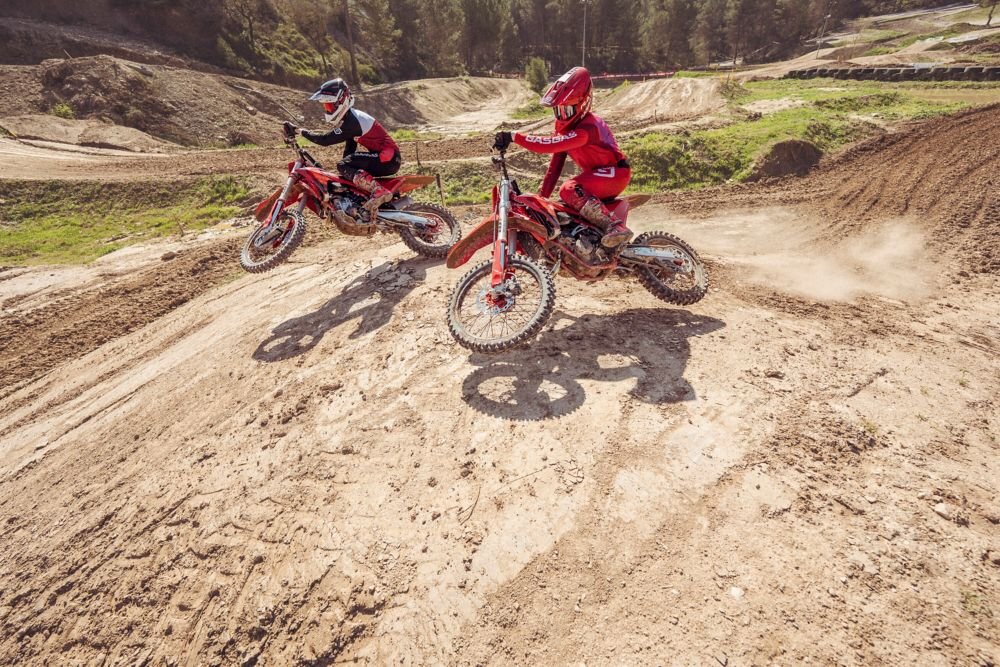
Hey there, fellow thrill-seeker. Picture this: the roar of an engine echoing off the dirt walls of a rugged track, the scent of fresh earth and fuel mixing in the air, and that heart-pounding rush as you launch over a massive jump. I’ve been chasing that feeling since I was a kid, sneaking out to local tracks on my beat-up old bike. Motocross isn’t just a sport—it’s a way of life, and the machines that make it possible are engineering marvels built specifically for the chaos of the track. In this deep dive, we’ll explore what makes these dirt beasts tick, from their gritty origins to the cutting-edge tech powering today’s champions. Whether you’re a newbie eyeing your first ride or a seasoned rider tweaking your setup, stick around—I’ve got stories, tips, and insights that’ll get your wheels turning.
The Thrilling Evolution of Motocross Racing
Motocross kicked off in the muddy fields of 1920s Britain, evolving from scrambles—chaotic races across rough countryside that tested riders’ grit and bikes’ durability. By the 1930s, it had spread across Europe, with brands like BSA and Norton leading the charge. The name “motocross” blends “moto” from the French for motorcycle and “cross country,” capturing that raw, off-road essence.
Fast forward to the 1960s, and the sport exploded in the U.S. thanks to Edison Dye, the “Father of American Motocross.” He imported European bikes and riders, turning scrambles into structured races. The first official AMA Motocross Championship hit in 1972, and by the 1980s, Japanese giants like Honda and Yamaha were dominating with innovative two-strokes. I remember watching old footage of those early races—riders bouncing over ruts on heavy iron horses, no fancy suspension, just pure determination. Today, motocross is a global powerhouse, with FIM World Championships drawing millions, blending high-tech bikes with timeless adrenaline.
What Makes a Motocross Bike Built for the Track?
At its core, a motocross bike is a stripped-down powerhouse designed for one thing: conquering the track’s brutal demands. Unlike street bikes, these machines ditch lights, mirrors, and comfy seats for lightweight frames, aggressive knobby tires, and long-travel suspension that soaks up landings from 20-foot jumps.
The engine is the heart—typically a single-cylinder two-stroke or four-stroke beast pumping out explosive power. Two-strokes deliver that instant hit of torque, perfect for quick bursts out of corners, while four-strokes offer smoother, more controllable pull for technical sections. Frames are slim aluminum or steel chromoly for agility, and brakes are disc setups tuned for muddy slides. I’ve tweaked countless setups over the years, and let me tell you, getting the balance right feels like unlocking a secret code to flying low and fast. These bikes aren’t for pavement—they’re track warriors, weighing around 200-220 pounds wet, ready to dance through whoops and berms.
Key Engine Types in Motocross Bikes
Two-stroke engines shine in classes like the 250cc, where riders like those on Yamaha YZ250s crave that snappy acceleration. They’re simpler, lighter, and cheaper to maintain, but require premixed fuel and more frequent rebuilds.
Four-strokes, dominant in 450cc races, provide broader powerbands for overtakes. Honda’s CRF450R exemplifies this with its rev-happy mill, but they demand valve checks every 40 hours or so. Choosing between them? It depends on your style—if you’re all about raw hits, go two-stroke; for endurance, four-stroke wins.
Suspension: The Unsung Hero of Track Domination
Suspension on a motocross bike is like the rider’s best friend—fully adjustable forks and shocks absorb massive impacts. Brands like WP or KYB offer 12 inches of travel upfront, with damping tweaks for soft landings or stiff rut-busting.
Rear linkage systems multiply shock travel, keeping the bike planted. I once botched a setup on my old KTM, bottoming out on every jump—lesson learned: match it to your weight and track. Pro tip: Start with stock settings and adjust sag for 30-35% front, 100-110mm rear.
Iconic Riders and Their Legendary Machines
Nothing inspires like the legends who’ve pushed motocross boundaries. Ricky Carmichael, the GOAT with 15 AMA titles, terrorized tracks on Honda CRFs in the 2000s, his flawless style earning him undefeated seasons. Imagine lapping the field on a 450—pure dominance.
Jeremy McGrath, the “King of Supercross,” racked up 72 wins on Yamahas, blending style with speed. His scrub techniques changed the game. Then there’s Stefan Everts, the Belgian master with 10 World Championships on KTMs, known for precision in brutal conditions. I met a guy at a track who rode like Everts—smooth, calculated, turning heads. These riders didn’t just win; they redefined what’s possible, influencing bike designs we ride today.
Ricky Carmichael’s Honda Era
Carmichael’s red Hondas were unbeatable, with the CRF450R’s electric start and titanium exhaust giving him an edge. His 2002-2006 run? Untouchable.
Jeremy McGrath’s Yamaha Dominance
McGrath’s YZ400F and YZ426F featured revolutionary four-stroke power, winning him four straight Supercross titles from 1993-1996.
Top Motocross Bikes for 2025: A Buyer’s Breakdown
2025 brings killer updates across the board. The Honda CRF450R tops shootouts with its revamped frame and Showa suspension, delivering pinpoint handling. Weighing 248 pounds, it’s a beast for pros but approachable for intermediates.
Yamaha’s YZ450F snags second with aggressive power and reliable KYB forks—perfect if you love that top-end rush. KTM’s 450 SX-F, fresh off Chase Sexton’s 2024 title, boasts WP air forks and Brembo brakes for ultimate control. For lighter riders, the Triumph TF 250-X debuts as a nimble contender, 10 pounds lighter than rivals.
Don’t sleep on GasGas MC 450F—its connectivity app lets you tweak maps via phone. Prices hover $9,000-$11,000; test ride before committing.
| Bike Model | Engine Type | Weight (lbs) | Price (MSRP) | Best For |
|---|---|---|---|---|
| Honda CRF450R | 449cc 4-stroke | 248 | $9,999 | All-around track racing |
| Yamaha YZ450F | 449cc 4-stroke | 245 | $9,999 | Aggressive power seekers |
| KTM 450 SX-F | 450cc 4-stroke | 229 | $11,099 | Pro-level handling |
| Triumph TF 250-X | 250cc 4-stroke | 238 | $9,999 | Beginners to intermediates |
| GasGas MC 450F | 450cc 4-stroke | 228 | $10,899 | Tech-savvy riders |
This table compares key specs—notice how Europeans edge on weight for agility.
Comparing 250cc vs. 450cc: Power, Handling, and More
Choosing between 250cc and 450cc boils down to your skill and track style. 250s like the Honda CRF250R are lighter (around 230 lbs), easier to maneuver in tight sections, and forgiving for newer riders—ideal for building confidence without overwhelming torque.
450s pack more punch, with broader power for open straights and jumps, but they’re heavier and demand respect to avoid wheelies or washouts. In shootouts, 450s edge for overall speed, but 250s win on playfulness. My first bike was a 250; it taught me control before stepping up. Pros: 250s are cheaper to maintain; cons: less low-end grunt. If you’re racing MX2-style, go 250; for MX1 dominance, 450.
- Pros of 250cc: Lighter, nimble, lower cost, easier learning curve
- Cons of 250cc: Less power for big tracks, may feel underpowered for experts
- Pros of 450cc: Explosive torque, versatile for varied terrain, race-proven
- Cons of 450cc: Heavier, more fatigue, higher maintenance
Pros and Cons: Why Motocross Bikes Excel on Track
Motocross bikes shine with purpose-built features, but they’re not perfect. Pros include lightweight agility for quick direction changes and high ground clearance for ruts. The knobby tires grip like glue in mud, and adjustable ergonomics let you dial in comfort.
Cons? No street legality means trailering to tracks, and they’re unforgiving on roads—vibrations rattle your teeth. Maintenance is frequent; expect oil changes every ride. But that raw feel? Addictive. I once pushed my bike home after a flat—humbling, but it built character.
Maintenance Pros and Cons
Regular upkeep keeps them flying. Pros: Modular parts make fixes easy. Cons: Two-strokes guzzle premix, and suspension rebuilds cost $500+ yearly.
Where to Get Your Motocross Bike and Gear
Finding the right dealer is key—head to authorized spots like Cycle Trader for new rides or local shops for used gems. For beginners, check RevZilla for gear bundles. Test tracks nearby via AMA’s site.
Navigational tip: Use apps like MX Sports for event locators. I scored my first KTM at a dealer demo day—free rides sealed the deal.
Best Tools and Accessories for Motocross Enthusiasts
Gear up right for safety and performance. Helmets from Fox or Arai ($300-600) with MIPS tech prevent concussions. Boots like Alpinestars Tech 10 ($500) protect ankles on crashes.
Tools? A Motion Pro toolkit for trailside fixes, and a LitPro telemetry system ($500) analyzes laps like pros. Gloves, jerseys, and chest protectors round it out—don’t skimp. Transactional advice: Shop sales at Rocky Mountain ATV/MC for deals under $200 per item.
- Essential Tools: Torque wrench, chain breaker, air filter cleaner
- Must-Have Accessories: Handguards, skid plates, radiator guards
People Also Ask: Common Motocross Questions Answered
Ever wondered about the basics? Google’s PAA section highlights these gems based on real searches.
What is a Motocross Bike?
A motocross bike is an off-road motorcycle optimized for racing on dirt tracks with jumps, turns, and obstacles. It’s lightweight, powerful, and lacks street-legal features, focusing purely on track performance.
Unlike dual-sports, it’s not for roads—think high-rev engines and suspension for big air. Perfect for that adrenaline fix.
How Much Does a Motocross Bike Cost?
Entry-level used bikes start at $3,000, while 2025 models like the Yamaha YZ250F run $8,000-$10,000. Factor in gear ($1,000+) and maintenance ($500/year).
Budget wisely—rentals at tracks let you test without commitment. I started cheap and upgraded as skills grew.
What is the Difference Between Motocross and Supercross?
Motocross races on outdoor natural tracks (1-3 miles) with varied terrain, while supercross uses stadium-built courses with man-made jumps and tighter layouts.
Both use similar bikes, but supercross demands more precise handling. Motocross feels wilder, supercross more intense.
Are Motocross Bikes Street Legal?
No, standard motocross bikes lack lights, mirrors, and emissions compliance, making them illegal on public roads in most places.
Some states allow mods for dual-sport conversion, but it’s pricey. Stick to tracks for safety and legality.
FAQ: Real User Questions on Motocross Motorcycles
Drawing from forums and searches, here are common queries with straightforward answers.
How Do I Choose My First Motocross Bike?
Assess your height, weight, and experience—under 5’8″ and new? Go 250cc four-stroke like the Kawasaki KX250. Taller pros? 450cc. Test ride, check ergonomics, and budget for lessons.
Safety first: Get fitted at a dealer. My rookie mistake? Buying too big—start small, build up.
What’s the Best Beginner Motocross Bike?
The Honda CRF250F is forgiving with electric start and smooth power, around $5,000. It’s trail-friendly too, easing you into tracks.
Avoid full-race 450s—they’re overwhelming. Pair with MSF off-road course for confidence.
How Often Should I Maintain My Motocross Bike?
Clean after every ride, change oil every 5-10 hours, check valves on four-strokes every 30-40 hours. Two-strokes need top-end rebuilds at 40 hours.
Regular care prevents breakdowns. I learned the hard way after a seized piston mid-race—ouch.
Can Women Ride Motocross Bikes?
Absolutely—women’s classes like WMX prove it. Bikes are unisex; adjust suspension for lighter weights. Riders like Brooke Ashburn dominate on stock setups.
It’s about skill, not gender. Ladies, grab a 250 and hit the track!
Where Can I Learn to Ride Motocross?
Join AMA-sanctioned tracks or schools like Geoff Aaron’s MX Academy. Online, YouTube channels like Vital MX offer tips.
Local clubs host beginner days. I started at a community track—affordable and fun.
Whew, what a ride through the world of motocross motorcycles. From those early scrambles to today’s tech-loaded titans, these bikes embody the sport’s spirit: tough, fast, and unyielding. Whether you’re dreaming of your first jump or fine-tuning a pro setup, remember—it’s not just about the machine, but the stories you create on it. I still get goosebumps hitting the throttle; hope this sparks yours. Gear up, hit the track, and chase that dirt-flying freedom. Ride safe out there!