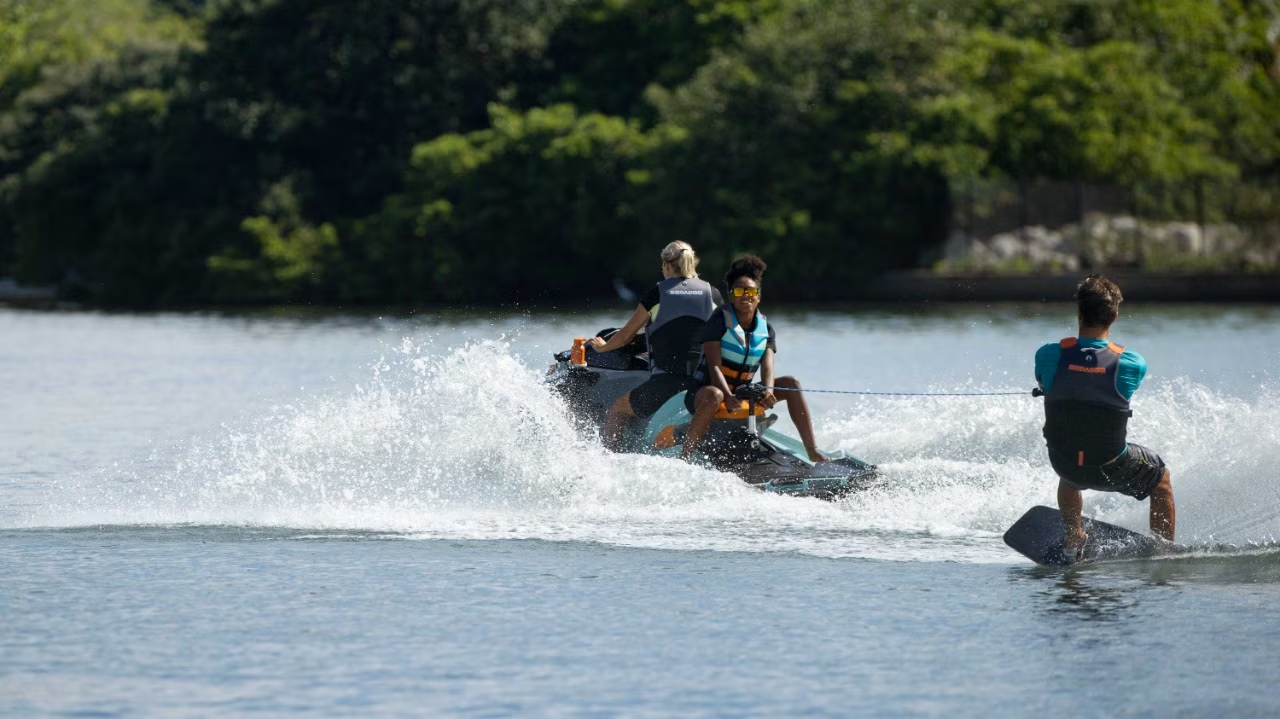
Hey there, water lovers! Imagine this: It’s a scorching summer day back in 2012, and I’m out on Lake Tahoe with my buddies, feeling the sun bake my skin. One of them hands me a pair of skis, hooks me up to a boat, and suddenly I’m gliding across the water like a pro—or at least, that’s what I told myself before wiping out spectacularly. Fast forward a few years, and I’m zipping around on a jet ski in Florida, laughing my head off as I dodge waves and spray everyone with water. Those moments? Pure magic. But here’s the thing—they’re totally different beasts. If you’ve ever wondered what sets water skiing apart from jet skiing, you’re in the right spot. I’m Alex, a lifelong water sports enthusiast who’s spent over a decade chasing thrills on lakes, rivers, and oceans. I’ve taught beginners, wiped out more times than I can count, and even competed in a casual water ski tournament. Today, I’m breaking it all down for you, from the basics to the nitty-gritty differences, so you can decide which adrenaline rush is calling your name. Let’s dive in—pun intended!
What is Water Skiing?
Water skiing is that classic summer thrill where you’re towed behind a boat on one or two skis, skimming across the surface like you’re defying gravity. It’s all about balance, speed, and that euphoric feeling of flying over the waves. Invented back in 1922 by Ralph Samuelson on Lake Pepin in Minnesota, it’s evolved from a quirky experiment with snow skis and a clothesline into a global sport with millions of fans. Whether you’re slaloming through buoys or jumping wakes, it’s a full-body workout that builds core strength and confidence.
From my first time on the water, I remember the boat pulling away, the rope tightening, and that split-second panic before popping up. It’s not just physical—it’s mental too, requiring focus to lean back just right and carve turns without face-planting. Today, with modern gear like combo skis for beginners, it’s more accessible than ever, but that raw excitement hasn’t changed.
What is Jet Skiing?
Jet skiing, on the other hand, is your personal rocket on the water—a motorized personal watercraft (PWC) you ride like a motorcycle, blasting across the waves at your own command. The term “jet ski” actually started as Kawasaki’s brand name in the 1970s, but now it’s shorthand for any PWC from Sea-Doo, Yamaha WaveRunner, or others. You’re in control, twisting the throttle for speed up to 60 mph or more, jumping wakes, and exploring hidden coves solo or with a buddy.
I still chuckle thinking about my first jet ski rental in Miami—gripping the handlebars, feeling the spray hit my face, and accidentally launching over a wave like I was in an action movie. It’s empowering because you’re the captain, no boat needed. Perfect for spontaneous adventures, but it demands quick reflexes to handle sharp turns and choppy conditions without flipping.
History and Evolution of Water Skiing
Water skiing kicked off in the early 20th century when Ralph Samuelson tinkered with boards on a Minnesota lake, figuring out how to lean back for that perfect glide. By the 1930s, it hit Florida’s Cypress Gardens, becoming a spectacle with jumps and tricks that drew crowds. Post-WWII, it boomed with affordable boats, leading to organized competitions by the American Water Ski Association in 1939.
Over decades, innovations like fiberglass skis in the 1950s and barefoot skiing in the 1970s pushed boundaries. I once watched a pro at a Lake Tahoe event barefoot jump a ramp—insane! Today, it’s inclusive with adaptive gear for disabled athletes, blending tradition with tech for safer, faster rides.
History and Evolution of Jet Skiing
Jet skiing’s story starts in the 1950s with early prototypes like the UK’s Vincent Amanda, but Clayton Jacobson II’s 1965 “stand-up ski” patent really ignited it. Kawasaki launched the first commercial Jet Ski in 1972, a stand-up model that sold modestly until sit-down versions exploded in the 1980s. By the ’90s, brands like Sea-Doo and Yamaha flooded the market, turning PWCs into family fun machines.
My uncle had one of those early ’80s models—clunky but thrilling. Now, with electric options emerging and speeds topping 70 mph, it’s gone mainstream, with global sales hitting billions. From racing circuits to eco-tours, it’s evolved into a versatile water toy.
Equipment Needed for Water Skiing
For water skiing, you’ll need a sturdy towboat with at least 50-100 horsepower, a 75-foot tow rope, and skis—combo for newbies or slalom for pros. Don’t forget a life jacket, wet suit for cooler waters, and bindings that fit snugly. Boats like inboards or outboards work best, avoiding props for safety.
I learned the hard way: ill-fitting skis led to my epic wipeout. Invest in quality from brands like HO Sports or Radar—durable and forgiving. Add a spotter flag for visibility, and you’re set for smooth starts.
Equipment Needed for Jet Skiing
Jet skiing gear is simpler: the PWC itself, a life jacket, and maybe a wetsuit or rash guard. Models vary—recreational like Yamaha EX for calm waters or performance like Kawasaki Ultra for speed demons. Helmets aren’t always required but smart for jumps.
Renting my first Sea-Doo Spark, I was amazed at how intuitive the controls were—throttle, steering, and reverse via iBR. Maintenance kits for oil and filters keep it running, but always check the impeller for debris. It’s portable too, trailering easily behind a car.
How to Get Started with Water Skiing
Starting water skiing? Begin with lessons from a certified instructor—trust me, it saves embarrassment. Practice deep-water starts: crouch in the water, skis up, rope taut, then let the boat pull you upright at 20-30 mph. Build balance by skiing straight before turns.
My buddy’s kid nailed it on their third try at a resort—patience pays off. Head to calm lakes, use two skis initially, and progress to slalom. Safety first: signal “OK” with a thumbs-up.
How to Get Started with Jet Skiing
Jet skiing entry is easier—no boat crew needed. Take a safety briefing, don your life jacket, and straddle the seat. Start slow in open water, lean into turns, and use the kill switch lanyard for emergencies.
I remember my novice ride: throttle gently to avoid flipping, then gradually hit 30 mph. Rentals often include guided tours—great for spotting dolphins. Minimum age is usually 16, but check local laws.
Safety Considerations for Both Activities
Safety ties them together: always wear life jackets, avoid alcohol, and know hand signals. For water skiing, watch for props and have a spotter; for jet skiing, steer clear of swimmers and check weather.
I’ve seen close calls—once a rope tangled in a jet ski intake. Follow USCG rules: no night riding, maintain distance. Both build skills, but start supervised to avoid mishaps.
Pros and Cons of Water Skiing
Water skiing shines in social vibes and skill-building, but let’s weigh it.
Pros of Water Skiing
- Builds incredible balance and strength—it’s a killer workout!
- Group fun: Everyone on the boat cheers you on.
- Versatile: From barefoot tricks to jumps, endless progression.
Cons of Water Skiing
- Needs a boat and crew—logistics can be a hassle.
- Higher injury risk from falls at speed.
- Weather-dependent; choppy water makes it tough.
One con that got me? The pull-out from deep water feels endless if you’re not strong enough.
Pros and Cons of Jet Skiing
Jet skiing’s independence is a game-changer, but it has trade-offs.
Pros of Jet Skiing
- Solo or duo thrills—no waiting for boat turns.
- Easy to launch and store; trailer it anywhere.
- Versatile for fishing or exploring shallow spots.
Cons of Jet Skiing
- Noisy and fuel-hungry—eco-impact is real.
- Risk of flips in rough seas; requires quick thinking.
- Rental costs add up if you don’t own one.
Humor alert: My first flip left me tasting lake water for days—lesson learned!
Comparison: Water Skiing vs. Jet Skiing
At their core, water skiing is towed elegance, jet skiing is powered freedom. Here’s a quick table to compare:
| Aspect | Water Skiing | Jet Skiing |
|---|---|---|
| Equipment | Skis, boat, rope | PWC, life jacket |
| Skill Level | Balance-focused, team-dependent | Steering and throttle control |
| Speed | 20-40 mph towed | Up to 60+ mph self-propelled |
| Cost to Start | $500+ for gear + boat rental | $100+ for rental or $8k+ to buy |
| Social Aspect | Group activity with spotters | Solo or pair, more independent |
| Accessibility | Needs calm, deep water | Versatile for various conditions |
Water skiing feels like dancing on water; jet skiing like racing a bike. Both exhilarating, but choose based on your crew size and adventure style.
Best Places to Try Water Skiing and Jet Skiing
Craving spots? Lake Tahoe’s crystal waters are my fave for both—rent boats for skiing or jet skis for cove-hopping. Florida’s Keys offer warm Gulf streams for year-round action; Miami Beach buzzes with rentals.
Other gems: Lake Michigan for Midwest vibes, or Australia’s Gold Coast for pro-level waves. Check TripAdvisor’s top US spots for rentals. Navigational tip: Local marinas like those in Pocono Mountains provide easy access.
Best Tools and Gear for Beginners
For transactional intent, gear up right. Best water skis for newbies? HO Sports Combo Skis ($200)—forgiving and adjustable. Jet skis? Sea-Doo Spark ($6,000 new) or Yamaha EX—stable and affordable.
Tow ropes: 75ft non-stretch from Airhead. Life jackets: O’Brien high-impact models. Where to buy? Amazon or West Marine. Start with rentals to test.
People Also Ask (PAA)
Based on common Google queries, here are real questions folks ask:
Can You Water Ski Behind a Jet Ski?
Yes, but it’s tricky—needs a 3-seater PWC with 110+ HP, like Sea-Doo Wake. The wake’s smaller, so starts are bumpier, but fun for light towing. I tried it once; hilarious but exhausting!
Is Jet Skiing Harder Than Water Skiing?
Not really—jet skiing’s more about steering, water skiing balance. Both take practice, but jet skiing feels intuitive faster for most. Pros: Jet skiing solo; con: No boat support.
What Are the Dangers of Water Skiing and Jet Skiing?
Falls, propeller strikes for skiing, flips and intake jams for jet skis. Always wear PFDs; stats show 11 million US skiers yearly with low incidents if safe. Emotional note: Respect the water—it’s powerful.
How Much Does It Cost to Start Water Skiing vs. Jet Skiing?
Water skiing: $300-500 gear + $100/hour boat. Jet skiing: $100/hour rental or $8k-12k purchase. Long-term, owning a jet ski saves if you ride often.
FAQ
What’s the Minimum Age for Water Skiing or Jet Skiing?
Typically 5-6 for skiing with supervision, 16 for driving jet skis. Always check local laws—my niece started skiing at 8 and loved it!
Do I Need a License for These Activities?
Boat license for towing skiers; PWC certification in some states. Florida requires boater education for born-after-1988 folks. Quick and online!
Can Beginners Do Both Without Lessons?
Sure, but lessons boost confidence. I wiped out sans instruction—don’t repeat my mistake. Resorts offer intro sessions for $50-100.
How Do I Choose Between Them for Family Fun?
If group-oriented, water skiing; for quick thrills, jet skiing. Both family-friendly with proper gear—try both!
Are There Eco-Friendly Options?
Yes—electric jet skis like Taiga, or low-wake boats for skiing. Reduces noise and emissions; great for sensitive areas.
There you have it—water skiing and jet skiing demystified. Whether towed or powered, both deliver heart-pounding joy. Grab your gear, hit the water, and create your own stories. What’s your first adventure? Drop a comment—I’d love to hear! Safe splashing, friends.