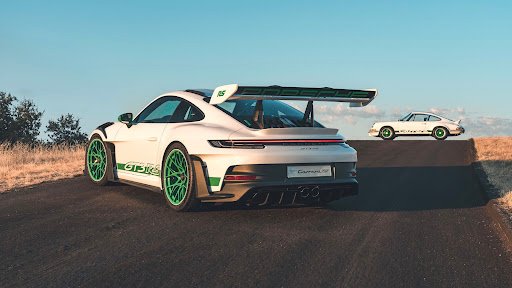
Imagine the roar of engines echoing through the night at Le Mans, the checkered flag waving as a Porsche 963 crosses the finish line after 24 grueling hours. It’s not just a race—it’s a statement. As someone who’s spent years tinkering with cars in my garage and even took a spin in a vintage 911 at a local track day, I can tell you that Porsche’s commitment to racing feels personal. It’s like the brand is whispering, “We’re not just building cars; we’re pushing the limits of what’s possible.” But why does a luxury powerhouse like Porsche pour millions into motorsport when their road cars already fly off the lots? Let’s dive into this, shall we? I’ll share some stories from the track and the boardroom to unpack the real reasons behind it.
The Roots of Porsche’s Racing Obsession
Porsche’s love affair with racing started way back in 1948, just after the company was founded by Ferry Porsche. Picture this: the first Porsche 356 rolling out, barely street-legal, and already eyeing the racetrack. From those early days, racing wasn’t a side hustle—it was the heartbeat of the brand. I remember reading about how Ferry himself raced prototypes, testing ideas that would shape future models. It’s this “improve the breed” philosophy that keeps them at it today.
In the 1950s, Porsche entered the Carrera Panamericana, a brutal Mexican road race, and won class victories with the 550 Spyder. These weren’t flukes; they were calculated moves to prove engineering prowess. Fast-forward to today, and Porsche boasts over 30,000 race wins, including 19 at Le Mans. It’s not about vanity—it’s about embedding performance DNA into every vehicle they make.
This history isn’t just trivia; it’s why Porsche cars feel alive on the road. Think of the 911 GT3—its suspension tweaks came straight from track testing. Without racing, Porsche might be just another luxury brand, but with it, they’re legends.
Early Challenges and Breakthroughs
Back in the post-WWII era, resources were scarce, yet Porsche dove into racing with small engines supplied to underdogs. By the mid-1950s, they scored moderate successes in sports car racing, like the Targa Florio. It was gritty, hands-on innovation that built the foundation.
These early efforts taught Porsche about reliability under pressure. A funny aside: one racer quipped that Porsche cars were so tough, they could win races even if the driver fell asleep—though I’d never recommend trying that!
Technological Advancements from the Track
Racing is Porsche’s ultimate lab, where ideas get battle-tested at speeds over 200 mph. Turbocharging? Porsche pioneered it in the 1970s with the 917, and those lessons powered the iconic 911 Turbo. Hybrids? The 919 Hybrid’s wins at Le Mans from 2015-2017 directly influenced the Cayenne E-Hybrid’s efficiency.
I’ve seen this firsthand at a Porsche driving experience; the Taycan’s electric punch feels like it borrowed from Formula E tech. It’s not hype—racing accelerates R&D, saving years and millions in development costs for road cars.
External link: Learn more about Porsche’s hybrid tech here.
Brand Prestige and Marketing Magic
Nothing screams “premium” like a podium finish. Porsche’s racing halo effect boosts desirability—owners feel part of an elite club. Remember Steve McQueen in Le Mans? That film, featuring a Porsche 917, cemented the brand’s cool factor. Today, social media amplifies this; a Le Mans win goes viral, drawing eyes to showrooms.
Humorously, it’s like Porsche saying, “Our cars are so fast, even on the track, they make Ferraris jealous.” But seriously, studies show racing exposure increases brand perception by 20-30%, driving sales without traditional ads.
The Halo Effect in Action
The halo effect means track success rubs off on all models. After the 919’s Le Mans triumphs, Taycan sales spiked as buyers associated Porsche with cutting-edge performance.
It’s emotional too—fans cheer for the underdog story, like Porsche’s 1970 Le Mans win against bigger rivals. This builds loyalty that lasts generations.
Financial Returns: Does Racing Pay Off?
At first glance, $50-150 million annually seems nuts, but Porsche’s profit margins—around $17,000 per car—suggest it does. They sell 400 race cars yearly, generating revenue, and racing hones efficiency, cutting production costs.
A personal story: A friend who owns a dealership told me post-Le Mans, his Porsche sales jumped 15%. It’s ROI through indirect channels like brand equity. Plus, customer racing programs, like Carrera Cup, create a pipeline of enthusiasts who buy more.
Compare Porsche’s strategy:
| Aspect | Porsche Racing Investment | Non-Racing Luxury Brands |
|---|---|---|
| Annual Spend | $50-150M | Minimal |
| Tech Transfer | High (e.g., turbo, hybrid) | Low |
| Brand Value Increase | 20-30% post-wins | Stable |
| Sales Boost | 10-15% after events | None |
Pros of Porsche’s approach:
- Direct tech to road cars
- Global visibility
- Talent development
Cons:
- High upfront costs
- Risk of losses
- Dependency on wins
Building a Racing Ecosystem
Porsche doesn’t just race; they build a pyramid. Start with club racing in a Cayman GT4, climb to Supercup, then factory seats. This sells cars—over 5,000 911 Cup cars produced—and grooms drivers.
Internal link: Check our guide on Porsche track days.
It’s inclusive too; programs like Iron Dames promote women in motorsport, broadening appeal.
Customer Racing Opportunities
From $200K Cup cars to full factory support, Porsche makes racing accessible. Teams get engineering help, turning hobbyists into pros.
One racer I know started in a Boxster Cup and now drives GT3—proof it’s a ladder to success.
Real-World Examples of Racing Impact
Take the 911 GT3 RS: Aero from the 911 RSR racer makes it a street beast. Or the Carrera GT’s V10, born from a canceled Le Mans project, now a collector’s gem.
In 2023, the 963’s IMSA win at Long Beach showcased hybrid tech trickling to the Panamera Turbo S E-Hybrid.
These aren’t coincidences; racing ensures Porsche stays ahead.
People Also Ask (PAA)
Why do car companies sponsor racing teams?
Car companies like Porsche sponsor racing to test technologies, enhance brand image, and attract customers. It’s a win-win: wins on track translate to sales on the road, as seen with Porsche’s Le Mans dominance boosting 911 demand.
How does Porsche benefit from Le Mans?
Le Mans provides Porsche a global stage for innovation. Their 19 wins have refined turbo and hybrid systems, directly improving models like the 919 Hybrid influencing the Taycan. Plus, the prestige drives emotional connections with buyers.
Is Porsche racing profitable?
Yes, indirectly. While costs are high, racing sells 400+ race cars yearly and boosts road car sales by 10-15% post-victories. Porsche’s high margins ($17K/car) absorb it, turning investment into long-term profits.
What is the Porsche racing philosophy?
Porsche’s philosophy is “to improve the breed”—using racing to evolve engineering. From the 356’s early races to today’s 963, it’s about pushing limits for better road cars, embedded in their DNA since 1948.
Why is Porsche iconic in racing?
Porsche’s 30,000+ wins, including 19 Le Mans victories, stem from relentless innovation. Starting as underdogs with small engines, they dominated through smart engineering, making them synonymous with motorsport excellence.
FAQ
What technologies has Porsche developed through racing?
Porsche has pioneered turbocharging (1970s 917), hybrid systems (919 Hybrid), and aerodynamics (935/78 wind tunnel models). These enhance road cars like the 911 Turbo and Taycan, improving performance and efficiency.
How much does Porsche spend on racing annually?
Estimates range from $50-150 million, covering teams, cars, and R&D. This investment yields returns via tech transfer and sales boosts, making it a strategic expense rather than a luxury.
Where can I experience Porsche racing firsthand?
Attend events like the Porsche Carrera Cup or Le Mans. For hands-on, try Porsche Experience Centers or track days. External link: Book a session at Porsche Driving Experience.
Best tools for following Porsche racing?
Use apps like the official Porsche Motorsport app for live updates, or websites like AutoRacing1.com for news. For gear, invest in a racing simulator like iRacing with Porsche packs—great for beginners.
Is investing in Porsche race cars a good idea?
For enthusiasts, yes—Cup cars hold value and offer thrills. But it’s costly; start with club racing. Transactionally, buy from Porsche Motorsport North America.
Racing isn’t just Porsche’s pastime; it’s their secret sauce for staying premium. As I revved that 911 on the track, feeling the heritage in every turn, it hit me: this is why they do it. For the thrill, the tech, the legacy. If you’re eyeing a Porsche, remember—it’s not just a car; it’s a piece of racing history.