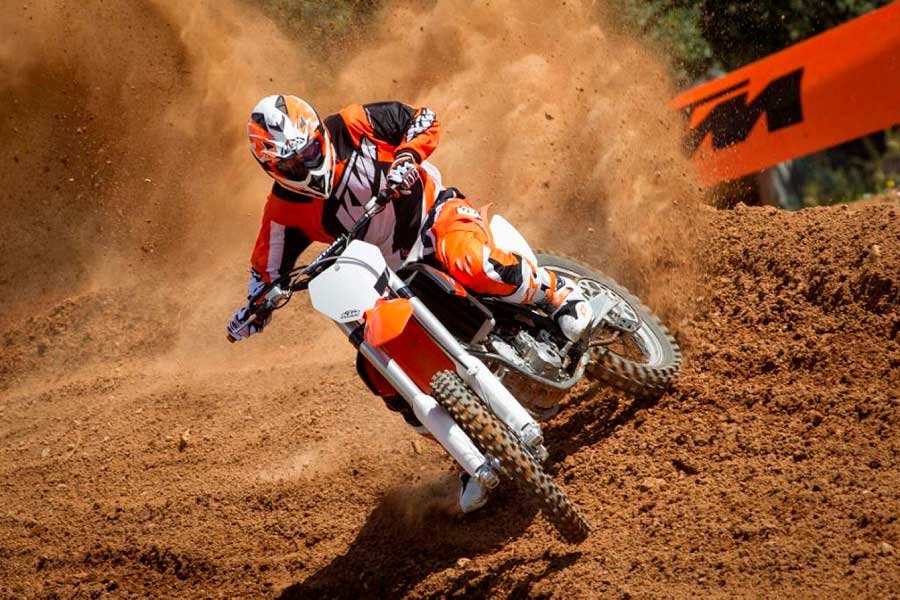
Hey there, fellow thrill-seeker. Imagine this: It’s a crisp Saturday morning, the kind where the air smells like fresh dirt and pine trees. You’re standing at the edge of a rugged track, heart pounding as you watch bikes roar by, kicking up clouds of dust over massive jumps. That’s the magic of motocross—the sport that’s got me hooked since I was a kid tagging along with my dad to local races. Back then, I’d sneak peeks at the pros flying through the air, dreaming of the day I’d be out there myself. If you’re new to this world or just curious, pull up a chair. I’ve spent years riding, racing, and wiping out (more times than I’d like to admit), and I’m here to share everything you need to know. From its gritty origins to tips that’ll keep you safe and smiling, let’s dive in. Trust me, once you get a taste, there’s no going back.
The Origins and History of Motocross
Motocross didn’t just appear out of nowhere; it evolved from the wild, muddy fields of early 20th-century Britain. Picture hardy riders in wool pants battling over rough terrain in “scrambles,” as they called them back then. The first official one happened in 1924 in Camberley, Surrey—a chaotic race that set the stage for what we’d recognize today.
By the 1930s, the sport was booming in Europe, with factories like BSA and Norton building bikes tough enough for the punishment. It crossed the Atlantic in the 1960s, thanks to promoters like Edison Dye, who brought European stars to the U.S. and sparked a boom. Suddenly, scrambles turned into structured races, and by the 1970s, motocross was exploding in popularity, fueled by baby boomers and better bikes. I remember my first race in the ’90s; the crowd’s energy was electric, just like those early events. Today, it’s a global powerhouse, but it all started with riders pushing limits on nothing but grit and gasoline.
Key Milestones in Motocross History
The Fédération Internationale de Motocycliste (FIM) kicked off the first World Championship in 1947, turning local scraps into international spectacles. Americans caught up fast, dominating the Motocross des Nations from the ’80s onward.
Two-strokes revolutionized the game in the ’60s, making bikes lighter and faster—until four-strokes took over in the 2000s for more torque and reliability. And let’s not forget the 1972 Superbowl of Motocross, the birth of stadium racing. These moments shaped the sport we love, blending speed, skill, and sheer audacity.
What is Motocross Exactly?
At its core, motocross is off-road motorcycle racing on closed circuits packed with jumps, turns, and terrain that tests every ounce of your skill. Riders battle for position in motos—short, intense races—over dirt tracks that can be muddy, sandy, or hard-packed, depending on the weather.
Unlike street racing, it’s all about handling chaos: standing on pegs to absorb bumps, whipping through corners, and launching off tabletops. A typical race might last 20-30 minutes, but it feels like an eternity when you’re gripping the bars for dear life. I’ve wiped out more times than I can count trying to nail a rhythm section, but that’s the thrill—pushing your bike and body to the edge.
It’s not just racing; it’s a full-body workout that builds endurance and reflexes. Whether you’re a spectator roaring from the sidelines or a rider feeling the wind, motocross captures that raw, untamed spirit of adventure.
How Motocross Differs from Other Bike Sports
Motocross stands apart from enduro, which is longer and more about navigation, or trials, focused on balance over obstacles. It’s shorter, faster, and more aggressive.
Compared to supercross—its indoor cousin—motocross uses natural outdoor tracks with longer laps and varied elevation. Supercross packs everything into stadiums for tighter, jump-heavy action. Both are brutal, but outdoors adds weather and endurance challenges. If you’re choosing, start with motocross for that pure off-road feel.
Essential Equipment for Motocross Riders
Gear up right, or you’ll regret it—trust me, I learned the hard way with a cheap helmet that fogged up mid-race. Motocross demands specialized stuff to handle the abuse.
Start with a full-face helmet certified by DOT or Snell standards; it could save your life. Goggles with tear-offs keep mud out of your eyes, while boots (at least 8 inches high) protect your ankles from twists.
Pants, jerseys, and gloves from durable materials shield against roost and falls. Don’t skimp on knee braces or a chest protector; they’re lifesavers. And the bike? Lightweight, powerful, with knobby tires for grip. For beginners, a used 250cc four-stroke is perfect—affordable and forgiving.
Safety Gear: Protecting Yourself on the Track
Safety isn’t optional; it’s survival. A neck brace prevents whiplash, elbow/knee pads cushion impacts, and a kidney belt guards your back.
Always inspect your gear before riding—cracked visors or worn boots spell trouble. I’ve seen buddies skip the brace and end up sidelined for weeks. Invest in quality; it’ll pay off in fewer ER visits and more fun laps.
| Essential Motocross Safety Gear | Purpose | Recommended Brands |
|---|---|---|
| Full-Face Helmet | Head protection | Fox, Bell, Arai |
| Goggles | Eye protection | Oakley, 100% |
| Boots | Ankle/foot safety | Alpinestars, Gaerne |
| Gloves | Grip/hand protection | Troy Lee Designs |
| Jersey/Pants | Abrasion resistance | Thor, Fly Racing |
| Chest Protector/Neck Brace | Vital organ/torso safety | Leatt, EVS |
This table covers the basics—get fitted at a shop for the best fit.
Motocross Bikes: Choosing the Right One
Picking your first bike is exciting but overwhelming—like choosing a pet that’s also a rocket. For beginners, go for a 250cc four-stroke; it’s manageable power with smooth delivery.
In 2025, standouts include the Yamaha YZ250F for its balanced handling and reliability, or the Honda CRF250R for plush suspension. If you’re advanced, the KTM 450 SX-F packs serious punch for big jumps.
Two-strokes like the Yamaha YZ250 offer snappy acceleration but need more maintenance. Budget? Expect $8,000-$12,000 new. Test ride before buying—I once grabbed a lemon that vibrated like crazy. Maintenance is key: clean air filters, check chains, and change oil regularly to keep it running sweet.
Pros and Cons of Popular 2025 Motocross Bikes
- Yamaha YZ250F: Pros: Excellent power-to-weight, user-friendly; Cons: Slightly less low-end torque.
- Honda CRF250R: Pros: Smooth engine, great brakes; Cons: Can feel heavy in tight turns.
- KTM 450 SX-F: Pros: Explosive power, adjustable suspension; Cons: Vibrates at high RPMs.
- Kawasaki KX250: Pros: Affordable, reliable; Cons: Needs tuning for peak performance.
These bikes shine in shootouts, but your style matters most.
Rules and How a Motocross Race Works
Races follow AMA or FIM guidelines: line up at a gate, drop on signal, and complete laps without shortcuts. Yellow flags mean caution—slow down for crashes; red stops the race.
Scoring? Overall from two motos added up—ties broken by second moto finish. No outside help; if you crash, get up and go. Starts are crucial; practice your holeshot to jump ahead.
Humor me: I once false-started and had to wait out—humiliating, but it taught patience. Flags include checkered for finish, white for last lap. Know them cold to avoid penalties.
Beginner Tips for Your First Race
Sign up for novice class to build confidence. Arrive early, tech your bike (safety check), and warm up.
Focus on finishing, not winning—racing line, smooth throttle. Hydrate, eat light, and breathe. My first race? I finished last but grinned ear-to-ear. It’s about progress, not perfection.
Famous Motocross Tracks and Major Events
Iconic tracks like Glen Helen in California offer massive hills and jumps that pros love. Matterley Basin in the UK hosts the Motocross of Nations, a team showdown.
In the U.S., RedBud’s LaRocco’s Leap is legendary—a 100-foot double that’ll make your stomach drop. Events? The Pro Motocross Championship runs 12 rounds; Supercross adds stadium flair.
I’ve raced at Hangtown—its elevation changes are brutal but exhilarating. Check schedules on promotocross.com for tickets.
Top Riders Who Defined the Sport
Legends like Ricky Carmichael, with 15 championships, set the bar for dominance. Stefan Everts won 10 world titles, a Belgian master of precision.
Jeremy McGrath brought supercross flair, while modern stars like Eli Tomac blend speed and style. Their stories inspire—Everts overcame injuries to keep winning. Follow them on X (Twitter) for behind-the-scenes.
Training Tips for Aspiring Motocross Riders
Training isn’t just laps; it’s building a machine of a body. Start with cardio—run hills or cycle to mimic track demands. Strength? Core work, squats, and pull-ups for grip.
Practice body position: stand on pegs, elbows up, eyes ahead. For beginners, hit a school like Dirtbike Camp. I trained with weights three times a week—turned my scrawny arms into rider-ready.
Off-bike, visualize lines. Nutrition? Protein-packed meals, hydrate like crazy. Consistency beats intensity; ride twice weekly, rest to recover.
Building Endurance and Technique
HIIT workouts—sprints followed by jumps—simulate motos. Learn corners: brake early, accelerate out.
Jumps? Approach smooth, gas on takeoff. My tip: film yourself; seeing flaws fixes them fast. Patience pays; I progressed from timid to confident in months.
Motocross vs. Supercross: Key Differences
Motocross is outdoor endurance on natural tracks—longer laps, weather variables. Supercross? Indoor stadiums with man-made jumps, tighter and more technical.
Tracks: MX has flowing rhythms; SX packs obstacles. Seasons: MX summer, SX winter. Bikes are similar, but SX tunes for quick bursts. I prefer MX for freedom, but SX’s intensity is unmatched.
| Aspect | Motocross | Supercross |
|---|---|---|
| Venue | Outdoor natural terrain | Indoor stadiums |
| Track Length | 1-2 miles per lap | 0.25-0.5 miles per lap |
| Race Focus | Endurance, speed | Precision, jumps |
| Season | Summer (May-Sept) | Winter (Jan-May) |
| Challenges | Weather, elevation | Tight turns, whoops |
This comparison highlights why both rule, depending on your vibe.
Pros and Cons of Getting Into Motocross
Pros: Adrenaline rush, community bonds, fitness gains. It’s empowering—conquering fears builds character. Cons: Costly (bike, gear, travel), injury risk, time-intensive. Weather can cancel plans, and crashes hurt (literally).
But weigh it: the highs outweigh lows. My wipeouts? Just stories now. Start small to ease in.
- Pros List:
- Builds physical and mental toughness
- Thrilling social scene
- Improves bike control skills
- Cons List:
- High initial investment
- Physical demands lead to soreness
- Potential for serious injuries
People Also Ask (PAA) About Motocross
Based on common Google queries, here’s what folks often wonder:
Is Motocross Dangerous?
Yes, but manageable with gear and smarts. Injuries like sprains are common, but fatalities rare. Stats show proper helmets cut head risks by 85%. Train smart, ride within limits.
How Do I Get Started in Motocross?
Buy a beginner bike, get lessons at a track, join a club. Start on easy trails. Cost? $5,000 entry-level setup. My advice: observe a practice first.
What Age Can You Start Motocross?
Kids as young as 4 on minis, but 7+ for full tracks. Adults anytime—I’ve seen 50-year-olds thriving. Focus on fun, not pressure.
What’s the Difference Between Motocross and Dirt Biking?
Dirt biking is casual trail riding; motocross is competitive racing on designed tracks. Both fun, but MX adds structure and speed.
Frequently Asked Questions (FAQ)
What Is the Best Beginner Motocross Bike?
The Honda CRF250F—reliable, automatic clutch option, around $5,500. Great for learning without overwhelm.
How Much Does Motocross Gear Cost?
Basics: $500-1,000. Full pro setup: $2,000+. Shop sales or used for deals.
Where Can I Find Local Motocross Tracks?
Use American Motorcyclist Association directory. Many states have 50+ facilities.
How Often Should I Train for Motocross?
3-4 days/week: 2 riding, 2 gym. Rest days prevent burnout. Listen to your body.
Can Women Ride Motocross?
Absolutely! Pros like Ashley Fiolek prove it. Tracks welcome all; women’s classes growing.