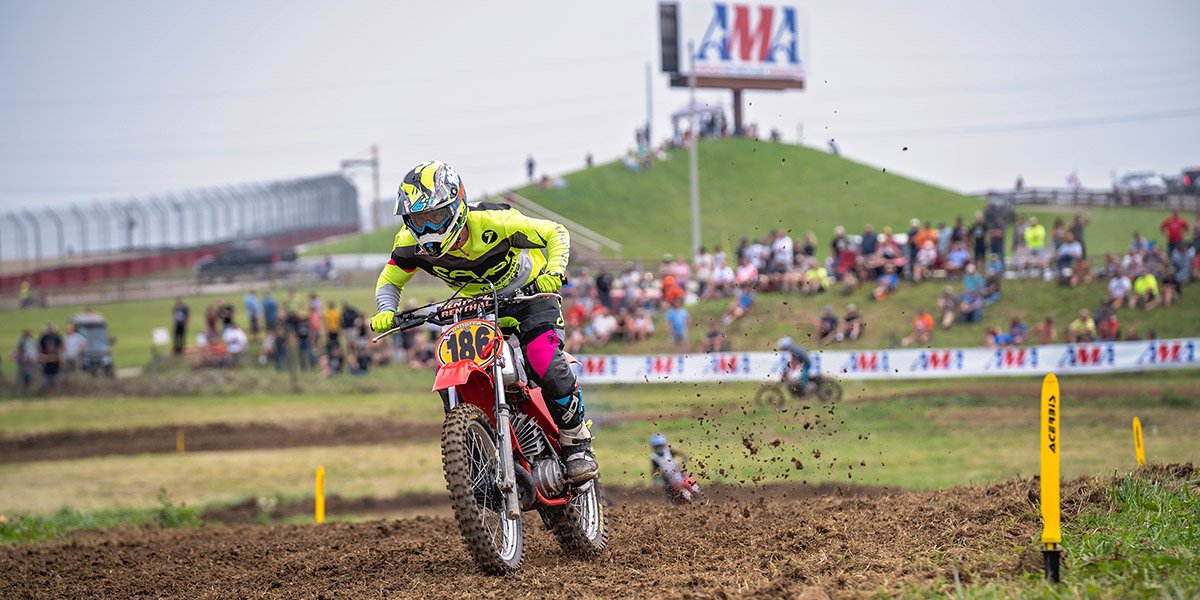
Hey there, fellow rider. Picture this: It’s a crisp Saturday morning, the kind where the air smells like fresh dirt and possibility. You’re geared up, bike humming beneath you, ready to tackle that local track. But halfway through the first moto, your arms feel like lead weights, your core’s screaming, and you’re fighting just to stay on the bike. Sound familiar? I remember my first real race like it was yesterday. I was 22, full of fire but zero prep. By lap three, I was gassed, eating everyone’s dust. That humbling beat lit a spark in me—I dove headfirst into motocross strength training. Over the years, I’ve turned those early struggles into podium finishes, and I’ve helped buddies do the same. If you’re looking to level up your MX game, stick with me. We’re talking real, actionable ways to build the power and endurance that turns average riders into track dominators. Let’s get you ripping those berms with confidence.
What Is Motocross Strength Training?
Motocross strength training isn’t about bulking up like a bodybuilder; it’s about forging a body that’s resilient, explosive, and tireless on the bike. Think functional power that translates directly to better control, faster laps, and fewer wipeouts. It’s a mix of targeted exercises, cardio bursts, and recovery hacks designed for the unique demands of MX—gripping handlebars for 30 minutes straight, absorbing jumps that jar every muscle, and powering through whoops without fading.
I’ve seen too many riders skip this, thinking riding alone is enough. Spoiler: It’s not. Proper training builds the foundation for everything from arm pump resistance to core stability that keeps you planted during rough sections. And hey, it’s not all grind—there’s a rush in feeling your body adapt, like unlocking a cheat code for your rides. In the sections ahead, we’ll break down the essentials, from beginner basics to pro-level routines.
Why Strength Training Matters for Motocross Riders
Strength training for motocross riders is the secret sauce that separates weekend warriors from consistent contenders. MX isn’t just about bike skills; it’s a brutal full-body assault. Your arms steer through ruts, your core battles G-forces on jumps, and your legs absorb landings that could crush lesser folks. Without targeted strength work, you hit that wall faster—arm pump kicks in, balance falters, and suddenly you’re off the pace.
Let me share a quick story: Back in my early 20s, I ignored the gym and paid for it with constant fatigue. One crash later—thanks to wobbly arms—I started a simple routine. Within weeks, my lap times dropped by seconds, and I felt unbreakable. Science backs this too; studies show MX demands endurance akin to soccer pros but with more muscular output<grok:render card_id=”4fb7c9″ card_type=”citation_card” type=”render_inline_citation”>
25
. It’s about efficiency: Stronger muscles mean less energy wasted, more left for that final sprint. Plus, it slashes injury risk—vital in a sport where 95% of riders get hurt at some point<grok:render card_id=”6a4c8c” card_type=”citation_card” type=”render_inline_citation”>
61
. Bottom line? Skip it, and you’re robbing yourself of potential. Embrace it, and watch your riding transform.
The Physical Demands of MX
MX hits you like a freight train: Heart rate spikes to 90-95% max, every muscle fires non-stop. It’s not steady-state cardio; it’s explosive efforts mixed with sustained grind, burning 600-800 calories per hour. Riders need grip strength to fight vibration, core power for balance, and leg resilience for standing through sections.
From my experience, ignoring these leads to quick burnout. Pros like Ricky Carmichael swore by balanced training, crediting it for his longevity. Fun fact: MX ranks as one of the fittest sports, blending gymnast strength with marathon endurance<grok:render card_id=”171602″ card_type=”citation_card” type=”render_inline_citation”>
25
. Train smart, and you’ll handle the chaos better than ever.
Myths Busted: Weights Won’t Ruin Your Ride
There’s this old wives’ tale in MX circles: Lifting heavy makes you bulky, causes arm pump, and slows you down. I bought into it for years, avoiding weights like the plague. Then I tried a program with moderate loads—bam, my endurance soared without extra mass. Truth is, smart strength training builds power-to-weight ratio, not bulk. High-rep, functional lifts enhance stamina, not hinder it<grok:render card_id=”769532″ card_type=”citation_card” type=”render_inline_citation”>
2
.
Don’t fear the iron; fear staying weak. As one Reddit rider put it, “Strength is king for MX—your bike feels lighter when you’re stronger.”<grok:render card_id=”799891″ card_type=”citation_card” type=”render_inline_citation”>
85
Time to debunk and dominate.
Building a Strong Foundation: Key Muscle Groups
You can’t train MX in isolation; it’s a symphony of muscles working overtime. Focus on core for stability, arms and grip for control, legs for power, and back for posture. Neglect one, and the whole setup crumbles—like trying to corner with spaghetti arms. Start here to build that unbreakable base.
In my training evolution, prioritizing these groups turned my sloppy rides into smooth flows. Remember, it’s not about vanity muscles; it’s functional gains that keep you glued to the seat. We’ll dive into exercises next, but first, assess your weak spots—maybe film a lap and see where you falter.
Core Strength: The Heart of Balance
Your core is the unsung hero of MX, linking upper and lower body while fighting twists and bumps. Weak abs mean poor bike control and back pain city. Planks, Russian twists—these build the endurance to stay centered through whoops.
I once rode a full moto standing, core locked, feeling invincible. Pros emphasize it for injury prevention too<grok:render card_id=”d90b16″ card_type=”citation_card” type=”render_inline_citation”>
6
. Train it daily; your spine will thank you with fewer tweaks.
Arms and Grip: Fighting Arm Pump
Arm pump is the MX boogeyman—forearms swelling from vibration and grip fatigue. Strength training here means farmer’s walks, wrist curls, and hangs to boost endurance without bulk. Aim for high reps to mimic track demands.
A buddy of mine battled pump until we added grip work; now he rides circles around the pack. It’s not magic, but consistent effort pays off big time<grok:render card_id=”b11ed4″ card_type=”citation_card” type=”render_inline_citation”>
15
. Laugh if you want, but strong grips mean no more white-knuckling.
Legs and Lower Body: Power for Jumps and Turns
Legs propel you out of corners, absorb landings, and maintain standing posture. Squats, lunges, and box jumps build explosive power and resilience. Don’t skip calves—they take the brunt on rough terrain.
Early in my career, weak quads meant crumbling on doubles. Now, after leg days, I launch like a rocket. Balance strength with flexibility to avoid strains<grok:render card_id=”8d1a34″ card_type=”citation_card” type=”render_inline_citation”>
43
.
Back and Shoulders: Posture and Endurance
A strong back supports everything, preventing slouch and fatigue. Rows, pull-ups, and deadlifts fortify it against the bike’s torque. Shoulders handle steering; presses and raises keep them stable.
I tweaked my back once from poor form—lesson learned. Now, back work is non-negotiable, keeping me upright and pain-free<grok:render card_id=”753254″ card_type=”citation_card” type=”render_inline_citation”>
6
. It’s the glue holding your ride together.
Top Exercises for Motocross Improvement
Alright, let’s get practical. These exercises are battle-tested, drawn from pro routines and my own track time. Mix them into circuits for that HIIT vibe—short bursts, high intensity, just like a moto. No gym? No problem; many are bodyweight. Start slow, build up, and track progress. You’ll feel the difference in weeks.
From Reddit threads to Red Bull guides, these staples pop up everywhere<grok:render card_id=”e6c78a” card_type=”citation_card” type=”render_inline_citation”>
0
<grok:render card_id=”52c01f” card_type=”citation_card” type=”render_inline_citation”>
85
. They’re simple, effective, and oh-so-satisfying when you nail a clean run.
Bodyweight Essentials for Beginners
Push-ups, burpees, and squats—no equipment needed, perfect for home or trackside. They build full-body endurance, mimicking bike positions. Do 3 sets of 10-15 reps, focusing on form.
I started here post-injury; it rebuilt my confidence without overwhelming. Pros use them for warm-ups too<grok:render card_id=”21e864″ card_type=”citation_card” type=”render_inline_citation”>
36
. Easy entry, massive payoff.
Weight Training Must-Dos
Deadlifts for back power, bench presses for upper body push. Use moderate weights, 8-12 reps to avoid bulk. Compound moves like these torch calories and build MX-specific strength.
My transformation? Swapping isolation curls for deads—sudden lap time gains. Experts agree: Multi-joint lifts rule for riders<grok:render card_id=”322b52″ card_type=”citation_card” type=”render_inline_citation”>
2
.
Cardio-Infused Drills
Rowing intervals or sprints simulate moto bursts. Aim for 20-30 minutes, mixing high and low intensity. It’s killer for VO2 max, that oxygen edge in long races.
Rowing saved my cardio after a layoff; felt like track practice without the bike. Interval training is gold for endurance<grok:render card_id=”dcfe70″ card_type=”citation_card” type=”render_inline_citation”>
0
.
Grip and Forearm Specials
Plate pinches, towel hangs—tough but essential against pump. Hold for time, 3 sets. Add rice bucket digs for variety.
A racer pal swore by these; his pump vanished. Vital for throttle control<grok:render card_id=”941977″ card_type=”citation_card” type=”render_inline_citation”>
15
.
Sample 4-Week Training Program
Ready to roll? This beginner-to-intermediate program balances strength, cardio, and recovery. Train 4 days a week, ride 2-3, rest 1. Warm up with 5-10 minutes light cardio. Progress by adding reps or weight weekly. Track your sessions—apps like MyFitnessPal help.
I followed something similar pre-season; it built my base without burnout. Adjust for your level, and consult a doc if needed. Consistency is your best friend here.
| Day | Focus | Exercises | Sets/Reps | Duration |
|---|---|---|---|---|
| Monday | Full Body Strength | Squats, Push-ups, Rows, Planks | 3×10-12 each | 45 min |
| Tuesday | Cardio & Core | Rowing intervals, Russian twists, Leg raises | 3×20 sec bursts | 30 min |
| Wednesday | Rest or Light Ride | – | – | – |
| Thursday | Upper Body & Grip | Deadlifts, Pull-ups, Farmer’s walks, Wrist curls | 3×8-10 | 40 min |
| Friday | Legs & Explosive | Lunges, Box jumps, Calf raises | 3×12 | 35 min |
| Saturday | Ride + Cool Down | Track session, Stretching | – | 1-2 hours |
| Sunday | Active Recovery | Yoga or walk | – | 20 min |
Pros: Builds balanced power, prevents overuse. Cons: Requires discipline; start light to avoid soreness.
Nutrition and Recovery: Fueling Your Gains
Strength training’s only half the battle; what you eat and how you recover seals the deal. MX burns big calories, so refuel with lean proteins, complex carbs, and healthy fats. Think grilled chicken, oats, avocados—aim for 1.6g protein per kg bodyweight daily. Hydrate like your life depends on it; dehydration amps fatigue.
Recovery? Sleep 7-9 hours, foam roll daily. I learned the hard way after overtraining—ice baths now are my ritual. Supplements like BCAAs or creatine can help, but food first<grok:render card_id=”030cd1″ card_type=”citation_card” type=”render_inline_citation”>
14
. It’s the yin to training’s yang.
Diet Tips for Peak Performance
Balanced meals: Breakfast—eggs and fruit; post-ride—protein shake. Avoid junk; it tanks energy. Track macros for consistency.
My energy skyrocketed ditching soda for water. Pros fuel clean for that edge<grok:render card_id=”5d9c77″ card_type=”citation_card” type=”render_inline_citation”>
14
.
Rest and Injury Prevention Strategies
Listen to your body—deload every 4 weeks. Stretch post-session, use braces for knees. Common injuries like collarbone breaks? Strength reduces risk by 30%<grok:render card_id=”b34e1d” card_type=”citation_card” type=”render_inline_citation”>
61
.
One crash taught me: Prevention beats rehab. Incorporate mobility work daily.
Pros and Cons of Different Training Approaches
Comparing gym vs. bodyweight vs. on-bike training? Each has merits. Gym offers progressive overload; bodyweight is accessible; riding hones specifics. Choose based on access.
- Gym Training Pros: Structured, measurable gains. Cons: Time-consuming, equipment cost.
- Bodyweight Pros: Anywhere, anytime. Cons: Harder to progress.
- On-Bike Pros: Sport-specific. Cons: Weather-dependent, injury risk.
I blend all three—best of worlds. Experiment to find your fit<grok:render card_id=”7f67de” card_type=”citation_card” type=”render_inline_citation”>
7
.
People Also Ask: Common MX Training Questions
Drawing from real searches, here’s what riders wonder most. These cover beginner hurdles to pro tweaks.
How Physically Fit Do You Need to Be for Motocross?
MX demands top-tier fitness—think soccer pro levels with extra grit. Pros train daily, but amateurs need consistent cardio and strength to last a moto. Start moderate; build up. As one forum post nailed it, “It’s the hardest sport out there—train like you mean it.”<grok:render card_id=”1d2d2f” card_type=”citation_card” type=”render_inline_citation”>
21
What Are the Best Exercises to Prevent Arm Pump?
Grip trainers, high-rep curls, and endurance rows. Focus on forearms without bulking. Combine with stretching—pump fades with vascular health. My tip: Daily hangs changed the game<grok:render card_id=”133f11″ card_type=”citation_card” type=”render_inline_citation”>
24
.
How Often Should You Strength Train for MX?
3-4 times weekly, with rest days. Overdo it, and you’ll burn out. Balance with riding. Experts say quality over quantity<grok:render card_id=”88c3ac” card_type=”citation_card” type=”render_inline_citation”>
18
.
Can Beginners Do Weight Training for Motocross?
Absolutely—start light, focus on form. It builds confidence and prevents injuries. I wish I’d started sooner; noob gains are real<grok:render card_id=”b82a86″ card_type=”citation_card” type=”render_inline_citation”>
12
.
FAQ: Real Rider Questions Answered
Got queries? Here are five common ones from forums and my inbox, with straightforward answers.
Q1: What’s the best beginner workout for MX strength?
A: Start with bodyweight circuits: 3 rounds of 10 squats, 10 push-ups, 30-sec plank. Add riding. Builds base without overwhelm<grok:render card_id=”eab260″ card_type=”citation_card” type=”render_inline_citation”>
35
.
Q2: How does strength training prevent common MX injuries?
A: It bolsters weak spots—like core for back strains, legs for ACL tears. Consistent work cuts risk by strengthening stabilizers<grok:render card_id=”c0e627″ card_type=”citation_card” type=”render_inline_citation”>
60
.
Q3: Should I use supplements in my MX training?
A: Basics like protein and electrolytes yes; fancy stuff, consult a pro. Food first—whole foods fuel better than pills<grok:render card_id=”dbf897″ card_type=”citation_card” type=”render_inline_citation”>
14
.
Q4: How long until I see improvements from strength training?
A: 4-6 weeks for noticeable gains, 12 for real transformation. Track progress; patience pays off<grok:render card_id=”7b106c” card_type=”citation_card” type=”render_inline_citation”>
2
.
Q5: Where can I find MX-specific training programs?
A: Check Troll Training for pro-level plans or Fit4Racing for free workouts. Local coaches too<grok:render card_id=”75b807″ card_type=”citation_card” type=”render_inline_citation”>
70
.
There you have it—your roadmap to MX mastery through strength training. Remember that first ride where everything clicked? That’s waiting for you. Lace up, hit the gym, and let’s make it happen. Ride safe, ride strong.