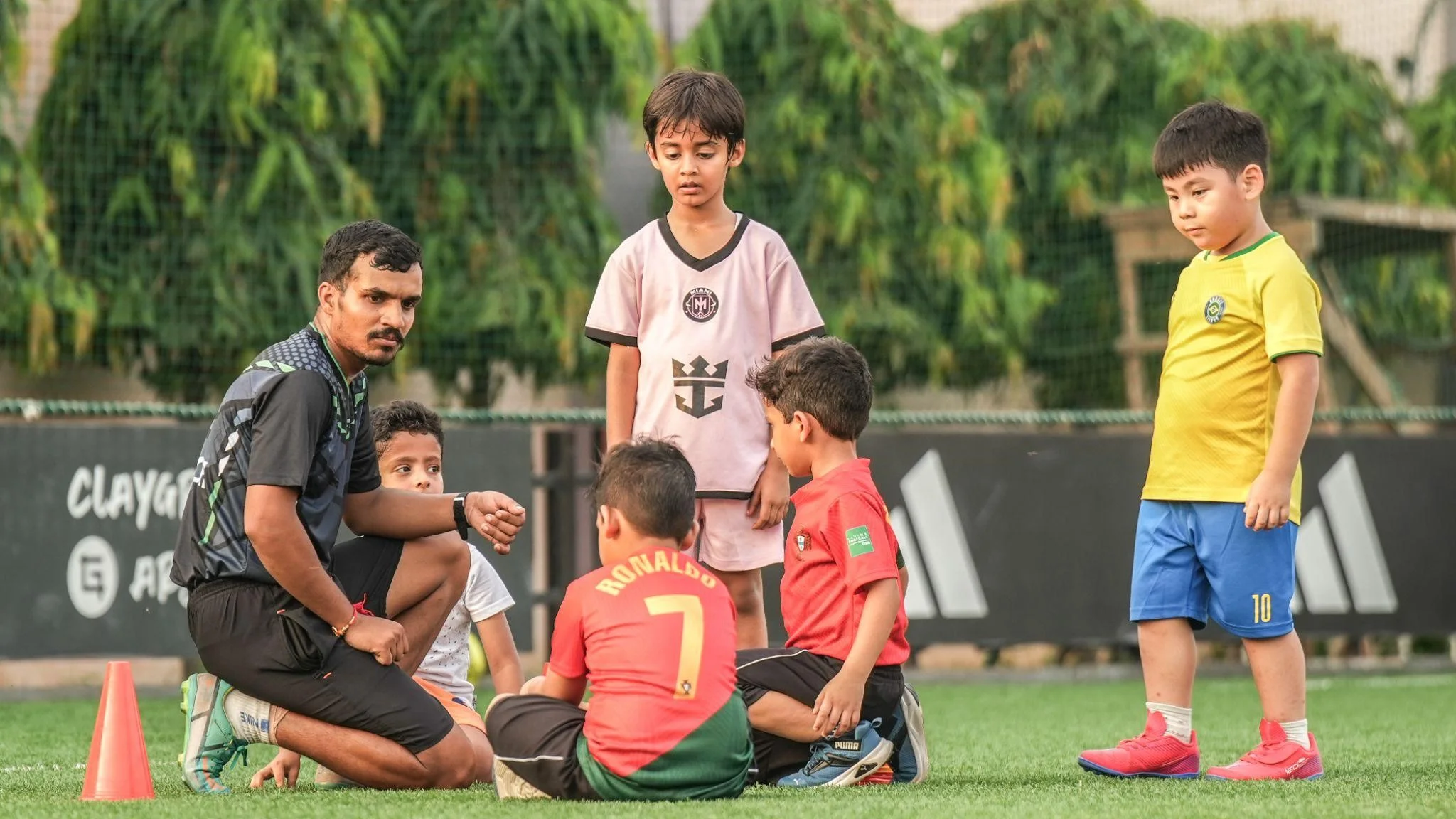
Hey there, aspiring footballer. If you’re reading this, I bet you’ve got that fire in your belly—the kind that makes you lace up your boots even on a rainy afternoon just to kick a ball around. I’ve been there myself. Back in my early twenties, I was a lanky kid from a small town in England, dreaming of making it big like the pros I idolized on TV. I remember my first real training session with a semi-pro club; I was so nervous I tripped over my own feet during a simple passing drill. But that embarrassment? It lit a spark. Over the years, through trial and error, coaching stints, and even a few seasons playing amateur leagues, I’ve learned what it really takes to level up your game. This isn’t some generic advice—it’s drawn from real sweat, real failures, and real triumphs. Stick with me, and I’ll walk you through a roadmap to becoming a better footballer, one that’s practical, engaging, and built on the foundations of hard work and smart play.
Setting Clear Goals: The Foundation of Your Journey
Let’s start with the basics, because without a plan, you’re just wandering on the pitch. Setting clear goals is like plotting your route on a map before a long road trip—it keeps you focused and motivated. Whether you’re aiming to nail a spot on your school team or just want to impress your mates in pickup games, jot down specific, achievable targets. For instance, instead of saying “I want to be better,” try “I’ll practice dribbling for 20 minutes daily and score five goals in my next match.” I once set a goal to improve my stamina after gassing out in a crucial game; it pushed me to run 5K three times a week, and by the end of the month, I was lasting the full 90. Remember, goals aren’t set in stone—review them weekly and adjust as you grow. This mindset shift turned my scattered efforts into purposeful progress, and it’ll do the same for you.
Mastering the Fundamentals: Building Blocks of Skill
What Are the Fundamentals in Football?
Ah, the fundamentals—the bread and butter of any great player. These are the core skills like passing, dribbling, shooting, and trapping that form the backbone of your game. Think of them as the alphabet before you write a novel; without them solid, everything else crumbles. In my experience, skipping basics for flashy moves is a rookie trap—I did it once and ended up losing possession in a key moment. Pros like Lionel Messi still drill these daily because they’re timeless. Start simple: practice against a wall for passing accuracy or juggle to boost control. Mastering these not only boosts confidence but makes you unpredictable on the field. Dedicate time each session to them, and you’ll see your overall play transform almost overnight.
Why Fundamentals Trump Fancy Tricks
Fancy tricks might look cool on YouTube, but fundamentals win matches. They’re reliable under pressure, reducing errors when fatigue hits. I recall a game where my overly ambitious nutmeg attempt backfired spectacularly—lesson learned: stick to basics 80% of the time. Experts from FIFA emphasize this; their training resources highlight how solid fundamentals lead to better decision-making. Focus here first, and those tricks will come naturally later. It’s about building a strong base, not chasing highlights. With consistent practice, you’ll handle game chaos like a pro, turning potential disasters into opportunities.
Physical Conditioning: Fueling Your Engine
The Role of Fitness in Football Performance
Fitness isn’t just about looking good—it’s your secret weapon on the pitch. Good conditioning lets you sprint, tackle, and recover without fading, giving you an edge over tired opponents. From my days coaching youth teams, I saw how a fit player outlasts others, making smarter plays late in games. Incorporate cardio like interval runs to mimic match bursts, and strength work for power. Remember, balance is key; overdo it, and injury looms. Aim for 3-4 sessions weekly, mixing running, weights, and agility drills. This holistic approach not only boosts performance but keeps you injury-free, ensuring you’re always match-ready.
Building Endurance Without Burning Out
Endurance training can feel endless, but done right, it’s rewarding. Start with HIIT—high-intensity intervals—to build stamina efficiently without endless jogging. I used to dread long runs until I switched to 30-second sprints followed by walks; it was game-changing for my recovery. Pros like Cristiano Ronaldo swear by varied routines, including yoga for flexibility. Track progress with apps or a journal, and listen to your body—rest days are sacred. Avoid burnout by mixing fun elements, like playing small-sided games. Over time, you’ll notice you can maintain top speed throughout, turning you into that player everyone fears in extra time.
Technical Skills: Honing Your Craft
Improving Dribbling and Ball Control
Dribbling is your ticket to beating defenders, but poor control turns it into a turnover fest. Practice close-control drills with cones to weave through, keeping the ball glued to your feet. I spent hours in my backyard doing this after a coach called me out for sloppy touches—now, it’s second nature. Use both feet; weakness on one side is a giveaway. Add speed gradually, and visualize game scenarios. Tools like agility ladders help too. Consistent reps build muscle memory, making you agile and confident. Soon, you’ll glide past opponents like it’s nothing, adding flair to your game.
Perfecting Passing and Shooting Accuracy
Passing and shooting are the game’s currency—get them right, and you’re invaluable. For passing, focus on weight and direction; short, crisp ones build team play. I improved by wall-passing drills, aiming for specific spots. Shooting? Practice from angles, emphasizing placement over power. Ronaldo’s routine includes hundreds of shots daily—emulate that intensity. Use rebounders for solo work. Analyze pros via highlights to learn techniques. These skills shine in tight spots, creating chances. With patience, your accuracy will skyrocket, making you the go-to player for decisive moments.
Tactical Awareness: Reading the Game
Understanding Positions and Formations
Tactical smarts separate good players from great ones. Know your position’s role—defenders cover, midfielders link, forwards finish. Study formations like 4-3-3 for balance. In my playing days, misunderstanding a switch left us exposed; now, I teach scanning the field constantly. Watch matches, noting movements off-ball. Play different roles to broaden understanding. This awareness lets you anticipate plays, positioning perfectly. It’s chess on grass—master it, and you’ll dictate games, not just react.
Developing Game Intelligence On and Off the Pitch
Game intelligence grows through experience and study. Off-pitch, analyze footage; on-pitch, communicate with teammates. I once ignored a call and missed a pass—teamwork lesson etched in stone. Read books like “Soccer IQ” by Dan Blank for insights.<grok:render card_id=”40c9d3″ card_type=”citation_card” type=”render_inline_citation”>50 Practice decision-making drills under pressure. Pros like Xavi excelled here through repetition. Build this, and you’ll make split-second choices that win points. It’s the invisible skill that elevates your presence.
Mental Toughness: The Unseen Edge
Overcoming Setbacks and Building Resilience
Football’s mental game is brutal—losses sting, but resilience turns them into fuel. After a red card in a cup final, I hit rock bottom, but journaling helped process it. Embrace failures as teachers; visualize success daily. Techniques like mindfulness reduce anxiety. Surround yourself with supportive folks. Building this toughness means bouncing back stronger, turning pressure into performance. It’s what separates quitters from champions—cultivate it, and no setback will derail you.
Staying Motivated Through Slumps
Slumps hit everyone; motivation wanes when progress stalls. Break routines—try new drills or join pickup games for fun. I beat a dry spell by setting micro-goals, like perfecting a free-kick. Track wins, no matter how small. Light humor helps too; laugh off a bad shot to reset. Connect with a mentor for perspective. Remember why you started—that passion reignites drive. With these, slumps become temporary, keeping you grinding toward greatness.
Nutrition and Recovery: Sustaining Peak Performance
Fuel right to play right. Balanced meals with carbs for energy, proteins for repair, and veggies for health. Hydrate constantly—I learned the hard way after cramping mid-game. Post-training, refuel within 30 minutes. Sleep 8-9 hours; it’s recovery gold. Incorporate rest days with light yoga. Track intake via apps. This foundation prevents burnout, keeping energy high. Pros prioritize it—follow suit for sustained excellence.
Avoiding Common Pitfalls: Learning from Errors
Overtraining: When More Isn’t Better
Overtraining sneaks up, causing fatigue and injury. Pushing too hard without rest backfires—I did it and sidelined myself for weeks. Listen to your body; incorporate deload weeks. Balance intensity with recovery. Signs like persistent soreness? Back off. Smart training trumps endless sessions. Avoid this, and you’ll stay fresh, progressing steadily without breakdowns.
Neglecting Weaknesses: The Balanced Approach
Ignoring your weaker foot or side creates exploitable gaps. I favored my right, so defenders predicted me—disaster. Assess regularly, dedicate sessions to weaknesses. Use tools like resistance bands. Balance builds versatility. Pros train holistically; emulate that. Addressing these turns liabilities into strengths, making you a complete player.
Essential Training Equipment: Tools for Success
Gear up wisely. Start with a quality ball, cones for drills, and a rebounder for solo practice. Agility ladders boost footwork. I recommend durable items from brands like Adidas for longevity. Budget? Prioritize basics. Where to get them: Check soccer.com for variety.<grok:render card_id=”129070″ card_type=”citation_card” type=”render_inline_citation”>71 Invest in what fits your needs—proper equipment accelerates improvement without breaking the bank.
| Equipment | Purpose | Recommendation | Price Range |
|---|---|---|---|
| Soccer Ball | Core practice | FIFA-approved size 5 | $20-50 |
| Cones | Agility drills | Set of 20 disc cones | $10-20 |
| Rebounder | Passing/shooting | Portable wall rebounder | $50-100 |
| Agility Ladder | Footwork | 15ft ladder | $15-30 |
| Resistance Bands | Strength | Set of 5 | $10-25 |
This table compares essentials—pick based on your level for maximum value.
Pros and Cons of Solo vs. Team Training
Solo training builds independence but lacks pressure. Pros: Flexible schedule, focus on weaknesses. Cons: No real opposition, motivation dips. Team: Realistic scenarios, camaraderie. Pros: Feedback, competition. Cons: Scheduling conflicts. Balance both—I did 70% solo for skills, 30% team for tactics. Hybrid maximizes growth.
- Pros of Solo Training: Convenient, personalized pace, cost-effective.
- Cons of Solo Training: Isolation, no live feedback, risk of bad habits.
- Pros of Team Training: Builds chemistry, simulates games, coach guidance.
- Cons of Team Training: Less control, potential overuse injuries.
Comparison: Amateur vs. Pro Training Routines
Amateurs train sporadically; pros daily with structure. Amateurs focus basics; pros add analytics. Here’s a breakdown:
| Aspect | Amateur | Pro |
|---|---|---|
| Frequency | 2-3x/week | 5-6x/week |
| Duration | 1 hour | 2-3 hours |
| Focus | Fun/skills | Tactics/fitness/recovery |
| Tools | Basic | High-tech (wearables) |
Emulate pros gradually—start with consistency. From Ronaldo’s routines, add HIIT for explosiveness.<grok:render card_id=”fe64c1″ card_type=”citation_card” type=”render_inline_citation”>60
People Also Ask
How Do I Get Better at Football by Myself?
Solo improvement starts with daily drills like juggling and wall passes. Set a routine: 30 minutes skills, 20 fitness. Track progress in a journal. I improved my trapping alone this way—patience pays off. Resources like YouTube tutorials help. Consistency turns solo sessions into game-changers.
What Is the Best Age to Start Football Training?
Any age works, but starting young (5-7) builds fundamentals. Adults can excel with dedication—look at late bloomers like Jamie Vardy. Focus on enjoyment to avoid burnout. In my coaching, I saw 10-year-olds thrive with basics. Start now; it’s never too late.
How Can I Become a Professional Footballer?
It takes talent, training, and trials. Join academies, attend camps. Network via scouts. I knew a kid who made it through persistence. Study pros, train smart. Reality: Only 1% succeed, but passion fuels the journey. Aim high, prepare hard.
What Are the Best Exercises for Football Fitness?
HIIT sprints, squats, planks. Build endurance with runs, power with weights. Yoga for flexibility. Ronaldo’s routine: Core daily.<grok:render card_id=”89af4f” card_type=”citation_card” type=”render_inline_citation”>62 Mix for balance. Consult a trainer to tailor—results follow.
How Important Is Mental Strength in Football?
Crucial—it’s 90% of the game mentally. Overcome slumps, stay focused. Visualization helped me in penalties. Books like “The Champion’s Mind” aid. Build via meditation. Pros credit it for comebacks. Nurture it; it wins titles.
Frequently Asked Questions
What Are the Best Books for Aspiring Footballers?
Top picks: “Soccer IQ” by Dan Blank for smarts—eye-opening on decisions.<grok:render card_id=”dd4c51″ card_type=”citation_card” type=”render_inline_citation”>50 “Inverting the Pyramid” by Jonathan Wilson for tactics. “The Talent Code” for skill-building. Read actively; apply lessons. These transformed my understanding—grab them from Amazon.
How Do I Avoid Injuries in Football Training?
Warm up properly, strengthen core, rest adequately. Use proper gear. I iced after sessions post-injury scare. Listen to body signals. Cross-train to balance. Prevention beats cure—stay in the game longer.
What’s a Sample Weekly Training Schedule for Beginners?
Monday: Skills (dribbling/passing) 45 mins. Tuesday: Fitness (runs) 30 mins. Wednesday: Rest. Thursday: Shooting 45 mins. Friday: Team game. Weekend: Review/video. Adjust as needed. This built my base—start slow, build up.
How Does Diet Impact Football Performance?
Huge—carbs for energy, proteins for recovery. Hydrate, avoid junk. Pre-game: Bananas for potassium. I fueled with oats; energy soared. Consult nutritionist. Right diet sustains peaks.
Where Can I Find Local Football Training Camps?
Search England Football or local clubs. Apps like TeamSnap help. I found mine via community centers. Attend trials; network. Camps accelerate growth—dive in.