Hey there, fellow racing enthusiast. If you’re like me, you’ve spent countless weekends glued to the TV or the grandstands, heart pounding as those stock cars thunder around the track. I’ve been a NASCAR fan since I was a kid, tagging along with my dad to local short tracks in the South, where the smell of rubber and fuel was my first love. But lately, I’ve been reflecting on the wild experiment that was NASCAR Cup Series racing on dirt. It was a throwback to the sport’s gritty roots, but as of 2025, it looks like that’s chapter is closing for good—at least for the top tier. Let’s dive into why this shift happened, what it means for the future, and how it all ties back to NASCAR’s evolution. Buckle up; this is going to be a ride down memory lane with some hard truths and a dash of hope.
The Storied History of Dirt in NASCAR’s DNA
Dirt racing isn’t just a footnote in NASCAR’s history—it’s the foundation. Back in the late 1940s, when Big Bill France founded the series as the Strictly Stock division, most races were on dirt ovals across the South. Imagine the chaos: cars sliding through turns, drivers wrestling for control without the luxury of modern aerodynamics. From 1949 to 1970, there were 489 Cup Series events on dirt, with legends like Lee Petty racking up 42 wins. I remember my grandpa telling stories about watching Richard Petty dominate at places like the North Carolina State Fairgrounds, the site of the last dirt race in 1970. It was raw, unpredictable, and that’s what hooked so many of us early fans.
The shift to pavement came as NASCAR professionalized, chasing bigger crowds and TV deals. By the 1970s, dirt was phased out to focus on speedways like Daytona and Talladega. But the allure never fully faded. Fast-forward to 2013, and the Truck Series dipped back into dirt at Eldora Speedway, proving stock cars could still sling mud. For me, that was a thrill—reminded me of those backyard dirt tracks I’d sneak off to as a teen, feeling the adrenaline of a slide job gone right.
Yet, for the Cup Series, dirt stayed dormant until Bristol in 2021. It was a bold move, but one that echoed the sport’s origins while testing modern limits.
Why Bristol Became the Dirt Experiment Ground
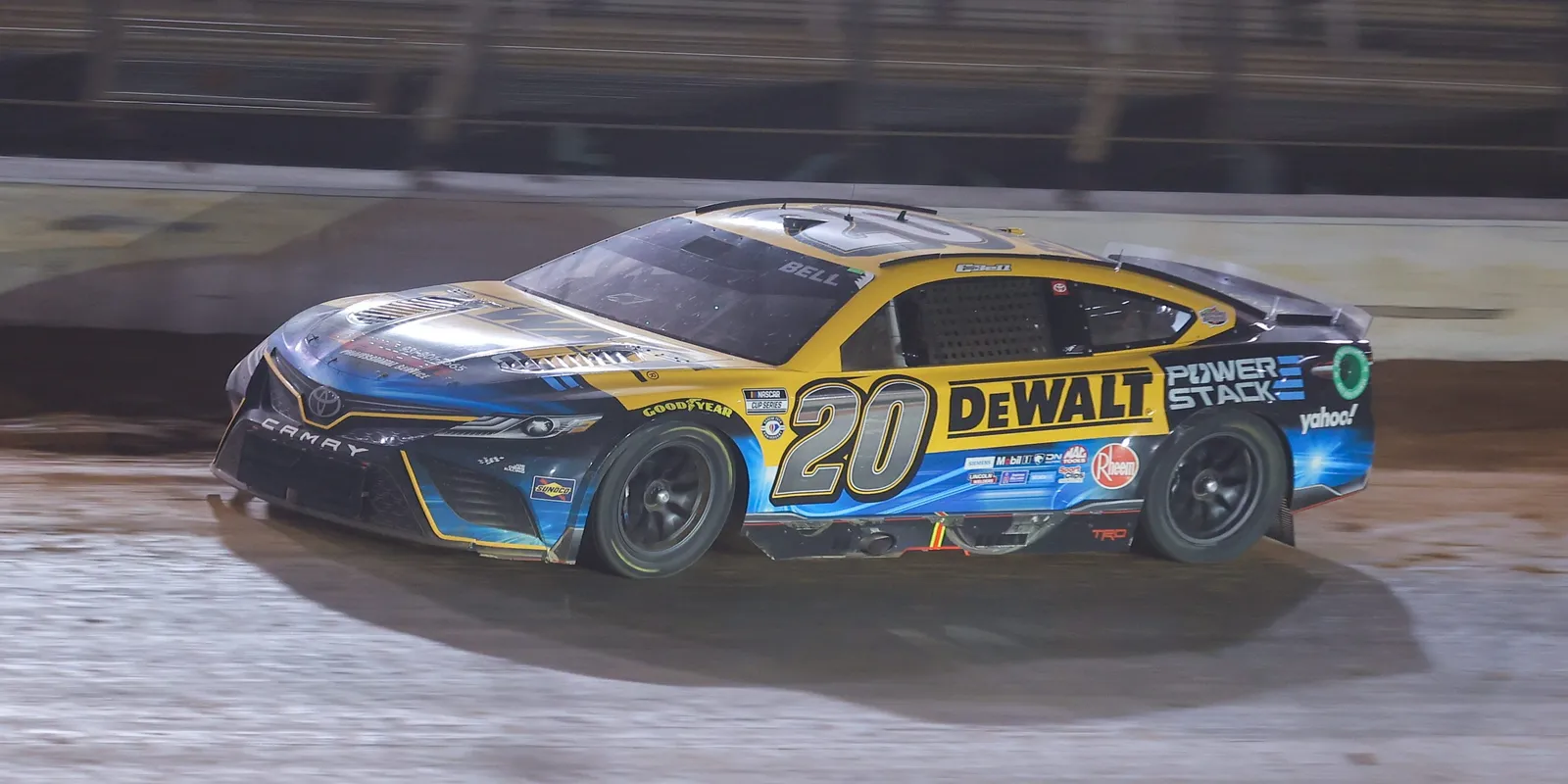
Bristol Motor Speedway, that iconic half-mile concrete bullring in Tennessee, seemed like an odd choice at first. But in 2020, amid the pandemic shake-up, NASCAR and track officials saw an opportunity to spice up the spring race. They hauled in thousands of truckloads of red clay to cover the concrete, creating a temporary dirt oval. The goal? Boost attendance and ratings by tapping into nostalgia and the skills of dirt-savvy drivers like Kyle Larson. I have to admit, when I first heard about it, I chuckled—picturing those high-banked walls under a layer of dirt felt like putting a tuxedo on a mud wrestler. But it worked for a bit, drawing in fans who craved variety.
The inaugural Food City Dirt Race in 2021 was electric, won by Joey Logano in a caution-filled thriller. It returned in 2022 and 2023, with Kyle Busch and Christopher Bell taking victories. Drivers adapted with special setups—no windshields for better visibility, bias-ply tires for grip—and the races showcased side-by-side action that pavement Bristol sometimes lacks. Still, the prep was massive: months of laying dirt, then cleaning it up. For a fan like me, who once got my truck stuck in mud at a local dirt event (lesson learned: don’t race your daily driver), it highlighted the logistical headaches that eventually outweighed the excitement.
The Controversies That Derailed the Dirt Revival
Not everyone was on board with Bristol’s dirt makeover. Seven-time champion Richard Petty famously called it “like taking a professional football team back to a high school field”—a dig at how it felt unprofessional for Cup cars built for pavement. Drivers like Denny Hamlin echoed that, complaining about the cars’ handling; even dirt aces like Larson admitted the Next Gen chassis wasn’t optimized for loose surfaces. Ratings were mixed—strong debut, but dips later—and attendance didn’t skyrocket as hoped. Plus, the cleanup? A nightmare, with power-washing seats and suites costing a fortune.
Humor me for a second: imagine the crews post-race, hosing down the track like it was a giant spilled BBQ. But seriously, the backlash grew. Fans debated online—some loved the unpredictability, others saw it as a gimmick stealing from Bristol’s concrete legacy. By 2023, NASCAR COO Steve O’Donnell confirmed no dirt for 2024, and the 2025 schedule seals it: all pavement, with new venues like Mexico City but zero dirt. It’s a shame; I once attended the 2021 event, and the energy was palpable, like stepping back in time. Yet, the cons piled up, leading to this foreseeable end.
Pros and Cons of Cup Series Dirt Racing
To break it down clearly, here’s a quick pros and cons list based on the three-year run:
- Pros:
- Showcased driver versatility, especially for talents like Larson and Bell.
- Added schedule diversity, appealing to dirt racing fans and boosting crossover appeal.
- Created memorable moments, like Logano’s double win across series.
- Cons:
- High costs for setup and teardown strained budgets.
- Cars not ideally suited, leading to frustrating handling issues.
- Divided the fanbase, with traditionalists feeling it diluted the sport’s core.
This table compares dirt vs. concrete at Bristol for Cup races:
| Aspect | Dirt Racing (2021-2023) | Concrete Racing (Pre-2021 & 2024+) |
|---|---|---|
| Average Cautions | 12-15 per race | 8-10 per race |
| Winner Diversity | Non-dirt specialists won often | Consistent with pavement experts |
| Fan Attendance | Initial spike, then steady | High and reliable |
| TV Ratings | Mixed, peaked at debut | Strong, especially night race |
| Prep Time/Cost | Months, expensive | Minimal, cost-effective |
As you can see, concrete wins on practicality, which is why it’s back full-time.
Looking Beyond Cup: Dirt’s Role in Lower Series
While Cup says goodbye to dirt, it’s not vanishing from NASCAR entirely. The Xfinity Series has dabbled, with Hendrick Motorsports running select dirt events in 2025, like Corey Day’s debut at Martinsville (though that’s pavement, wait—actually, their schedule includes dirt-friendly spots). But no full points races on dirt for Xfinity this year. The real action stays in the Craftsman Truck Series, which ran at Eldora until 2019 and still eyes a return. Trucks, with their rugged build, handle dirt better, and fans love the Eldora Dirt Derby’s chaos.
For 2025, the Truck schedule has no dirt, but rumors swirl about 2026 possibilities, perhaps at Knoxville or Port Royal. If you’re itching for dirt action, check out the Truck Series—it’s where the spirit lives on. I caught a Truck dirt race once, and the slides were epic; felt like the old days without the Cup spotlight.
Comparison: Dirt in NASCAR Series
Here’s how dirt fits across series:
| Series | Dirt History | 2025 Status | Future Potential |
|---|---|---|---|
| Cup Series | 489 races (1949-1970); Bristol 2021-23 | None | Low; focus on pavement/road |
| Xfinity | Limited tests | Select non-points | Medium; possible additions |
| Truck | Eldora 2013-19 | None, but eyes return | High; best fit for dirt |
This shows Cup’s the outlier now, prioritizing global expansion over roots.
What This Means for NASCAR’s Future Direction
With dirt off the Cup calendar, NASCAR’s doubling down on diversity elsewhere: more road courses like Sonoma, international races in Mexico, and even street circuits. The 2025 schedule includes the Viva México 250, the first points race abroad since 1958. It’s smart—broadening appeal to younger, global fans. But losing dirt? It stings for purists like me. Remember, the sport evolved from dirt to survive; now, it’s evolving again to thrive in a streaming era.
Humorously, if they bring back dirt, maybe they’ll call it “The Muddy Mess 500″—but seriously, it could return in non-points form, like the All-Star Race. For now, expect pavement dominance, with drivers like Larson channeling dirt skills on short tracks. As a fan who’s seen the sport change from my dad’s era to now, it’s bittersweet. Dirt built NASCAR; pavement made it a giant.
People Also Ask: Common Questions on NASCAR Dirt Racing
Based on real searches, here are top questions fans are asking:
Why Did NASCAR Stop Cup Series Dirt Racing?
NASCAR halted it after Bristol’s 2023 event due to high costs, mixed fan reactions, and logistical challenges. The temporary setup didn’t justify the expense, and concrete races draw steadier crowds. While some drivers loved testing their skills, the consensus was it felt gimmicky for the elite series.<grok:render card_id=”bf0627″ card_type=”citation_card” type=”render_inline_citation”>
5
Will There Ever Be Another Dirt Race in NASCAR Cup?
For the foreseeable future, no—but “ever” is long. NASCAR’s COO hinted at keeping a pulse on it, perhaps at a purpose-built track like Eldora. With the 2026 schedule adding Chicagoland and North Wilkesboro, dirt might sneak in as an exhibition. Fans, push for it!<grok:render card_id=”2eade8″ card_type=”citation_card” type=”render_inline_citation”>
11
Which NASCAR Drivers Still Race on Dirt?
Stars like Kyle Larson, Christopher Bell, and Chase Briscoe thrive on dirt. Larson won the Knoxville Nationals multiple times, while Bell took the Chili Bowl. Even with Cup restrictions easing at teams like Joe Gibbs Racing, they balance it with NASCAR duties for that edge.<grok:render card_id=”b5558d” card_type=”citation_card” type=”render_inline_citation”>
30
What Are the Best Dirt Tracks for NASCAR?
Eldora Speedway in Ohio is fan-favorite for its high banks and history with Trucks. Knoxville Raceway in Iowa offers flat-out speed, and Bristol’s temporary setup was unique but flawed. For watching, Eldora’s the gold standard—pure dirt magic.<grok:render card_id=”628969″ card_type=”citation_card” type=”render_inline_citation”>
63
How Does Dirt Racing Differ from Pavement in NASCAR?
Dirt’s all about momentum and slide jobs; tracks change with moisture, creating “tacky” or “slick” conditions. No wallsiding like pavement—it’s slide, grip, repeat. Cup cars on dirt use bias-ply tires and no windshields, making it a skill showcase but tougher on equipment.<grok:render card_id=”f571ac” card_type=”citation_card” type=”render_inline_citation”>
38
FAQ: Your Burning Questions Answered
What Is the History of Dirt in NASCAR Cup Series?
Dirt dominated early NASCAR, with 489 races from 1949-1970. The last was Richard Petty’s win at Raleigh in 1970. It returned briefly at Bristol 2021-23, but roots trace to moonshine runners on Southern dirt roads—pure American grit.
Where Can I Watch NASCAR Dirt Racing in 2025?
No Cup dirt, but Trucks might return to Eldora—check NASCAR.com for updates. For Xfinity, Hendrick’s select races stream on The CW or FloRacing. Best bet: Local dirt series or World of Outlaws for that fix. Links: NASCAR Schedule.
Best Tools for Following NASCAR Dirt News?
Apps like the official NASCAR app for real-time updates, or sites like Jayski’s for schedules. For gear, grab dirt-specific tires from Goodyear if you’re racing yourself—though for fans, a good streaming service like Peacock for replays. Transactional tip: Buy tickets early for potential Truck dirt returns via Ticketmaster.
In wrapping up, the end of Cup dirt racing feels like closing a book on a wild chapter, but NASCAR’s story is far from over. It’s evolved, just like us fans—adapting while holding onto what makes it special. If you’ve got stories from the dirt days, drop ’em in the comments. Who knows, maybe one day we’ll see those cars kick up dust again. Until then, here’s to the roar of engines on pavement and the memories of mud. Drive safe out there.