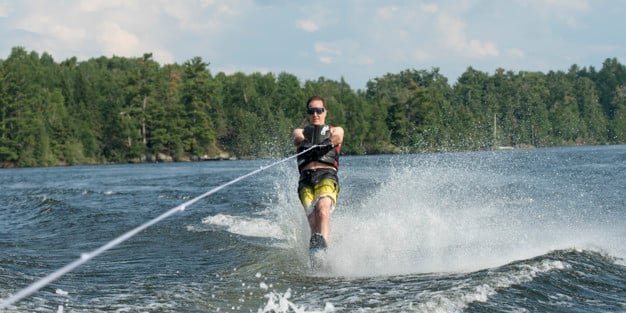
Hey there, picture this: the sun’s dipping low over the lake, the boat’s humming to life, and you’re about to carve through the water like a pro. That’s the magic of water skiing – a thrill that sneaks in some serious health perks while you’re having the time of your life. I’ve been hooked on this sport since my teens, back when my family dragged me to the family cabin on Lake Tahoe. Little did I know, those lazy summer afternoons behind the boat were building more than just memories; they were sculpting my body and mind in ways I only appreciated years later. If you’ve ever wondered how slicing across the waves can boost your fitness, stick with me. We’re diving deep into why water skiing isn’t just fun – it’s a full-body powerhouse.
Water skiing kicked off about a century ago, thanks to a bold kid named Ralph Samuelson who strapped barrel staves to his feet in 1922 on Lake Pepin, Minnesota. Fast forward to today, and it’s a global sensation, with millions hitting the water for the rush and the rewards. But beyond the adrenaline, studies like one from the Journal of Sports Sciences highlight how it demands elite-level coordination and strength, mirroring the physiological demands of top athletes. It’s low-impact yet intense, making it accessible for beginners while challenging pros. In this piece, we’ll unpack the physical and mental gains, backed by real science and stories from folks who’ve felt the difference. Whether you’re eyeing your first pull or looking to level up, understanding these benefits might just get you out on the water sooner.
What Is Water Skiing?
Water skiing is that exhilarating ride where you’re towed behind a boat on one or two skis, gliding across the surface like you’re dancing on waves. It’s a surface water sport that blends balance, speed, and power, perfect for lakes, rivers, or calm ocean spots. Unlike snow skiing, there’s no downhill gravity – it’s all about the boat’s pull and your body’s response to stay upright and in control.
From my early days, I remember the sheer terror and joy of that first deep-water start, knees bent, rope taut, boat revving up. It’s not just about speed; it’s a symphony of muscle engagement and focus. According to the USA Water Ski & Wake Sports Foundation, it requires upper and lower body strength, endurance, and quick reflexes – no wonder it’s grown into a competitive scene with slalom, tricks, and jumps.
Today, it’s evolved with modern gear like fiberglass skis and padded life vests, but the core thrill remains. Whether recreational or pro-level, it’s a workout disguised as play, burning calories while building skills that translate to everyday life.
The Basics of Getting Started
Getting into water skiing starts with the essentials: a boat, skis, rope, and a spotter for safety. Beginners often use combo skis – two wide boards tied together for stability – making that initial pop out of the water less daunting.
I recall my first lesson at a local resort; the instructor emphasized keeping arms straight and leaning back, letting the boat do the work. It’s low-impact on joints thanks to water’s buoyancy, as noted in physiological reviews from PubMed, reducing strain compared to land sports.
Practice on calm water builds confidence fast. Within a session or two, you’ll feel the burn in your core and legs, but the endorphin rush makes it addictive.
Physical Health Benefits
Water skiing turns your body into a finely tuned machine, engaging nearly every muscle group in a dynamic, full-body workout. It’s not your average gym session; the constant pull of the rope and resistance from the water create a resistance training effect that’s both challenging and sustainable.
Research from Health Fitness Revolution shows an hour can torch up to 400 calories, comparable to moderate running, while building strength without the joint pounding. Elite skiers develop profiles akin to other pros, with enhanced anaerobic capacity for those explosive starts and turns.
Personally, after summers of skiing, I noticed my posture improved – no more slouching at the desk. It’s a sport that demands and delivers total-body fitness, from calves pushing against the skis to shoulders gripping the handle.
Cardiovascular Boost
Your heart gets a serious pump during water skiing, elevating your heart rate to aerobic levels that strengthen cardiovascular health. The intermittent bursts of speed and recovery mimic interval training, improving endurance and lowering risks for heart disease.
A study in the Journal of Sports Science & Medicine on Paralympic sit-skiers found sustained efforts enhance circulation and lung capacity, much like in able-bodied participants. I felt it after my first long set – that post-ski glow from better blood flow.
Regular sessions can regulate blood pressure and boost stamina, making everyday tasks feel easier. It’s why doctors often recommend it for heart health, especially in scenic outdoor settings that amplify the benefits.
Muscle Strength and Toning
Water skiing is a resistance powerhouse, toning arms, legs, core, and back as you battle the water’s drag and boat’s pull. Upper body gets hit hard from holding the rope, while legs and glutes fire to maintain balance on the skis.
Biomechanical analyses reveal forces up to 2.5 times body weight during starts, building functional strength similar to weightlifting but with natural motion. After years, my arms went from skinny to sculpted – friends joked I looked like I lived at the gym.
It’s particularly great for core stability; leaning back engages abs deeply. Pros like those in collegiate studies show mesomorphic builds correlating with performance, proving it’s a muscle-builder par excellence.
Upper Body Power
Gripping that rope builds serious forearm and shoulder strength, with hand-grip tests in research linking it directly to slalom success. It’s isometric work at its finest, sustaining tension that sculpts delts and biceps.
I once challenged a buddy to a pull-up contest after a season of skiing – he quit after 10, while I hit 20. The constant torque in turns adds rotator cuff resilience, reducing injury risks in daily life.
For women, it counters osteoporosis by loading bones through resistance, as per fitness experts. It’s empowering, turning flab to fab without boring reps.
Lower Body Endurance
Legs take the brunt in water skiing, with quads, hamstrings, and calves powering through waves and cuts. The wide stance on combo skis builds endurance, while slalom narrows it for power.
Studies on intermediate skiers show rope loads averaging 0.4 times body weight, demanding sustained effort that enhances muscular endurance. My thighs burned after long runs, but they grew stronger, helping with hikes and runs off-water.
It’s low-impact, so knees and ankles strengthen without wear, ideal for aging athletes. Pair it with dry-land squats for even better gains.
Improved Balance and Coordination
Staying upright on skis hones proprioception – your body’s sense of position – through constant micro-adjustments to waves and turns. It’s like yoga on steroids, demanding full-body harmony.
Physiological profiles of elite skiers highlight superior neuromuscular control, reducing fall risks in sports and life. As a klutz on land, skiing transformed my balance; I credit it for fewer trips on uneven paths.
For kids, it’s a coordination booster, as seen in adaptive programs. The mental focus sharpens reflexes, making it a brain-body workout.
Core Stability Gains
Your core is the unsung hero, stabilizing against the pull and preventing wipeouts. Planks form the foundation, but skiing adds dynamic twists for obliques and abs.
Research ties core strength to better slalom times, with endurance tests showing correlations. I incorporated skiing into my routine post-back injury – it rehabbed me better than PT, with that deep engagement healing imbalances.
It’s fun core work; no crunches needed when you’re leaning into a carve at 30 mph.
Calorie Burn and Weight Management
An hour of water skiing can melt 400-600 calories, depending on intensity and weight, kickstarting metabolism like HIIT. It’s efficient fat-burner, combining cardio and strength for lean results.
From Carefree Boat Club insights, it’s easy on joints yet revs your engine, aiding weight loss without boredom. I dropped 15 pounds one summer, blending skiing with lake barbecues – talk about sustainable.
Track it with apps, but the real win is the afterburn effect, keeping calories torched post-session.
Metabolic Acceleration
The anaerobic bursts in starts and jumps spike metabolism, per exercise physiology studies. It’s not steady-state; the variability amps fat oxidation.
Friends who’ve switched from gym routines report faster results, with that post-ski hunger signaling real work done. Hydrate and fuel right for optimal burn.
Mental Health Benefits
Beyond the physical grind, water skiing is a mental oasis, melting stress like ice in the sun. The focus required pulls you into the moment, quieting the mind’s chatter for a meditative escape.
Endorphins flood in from the exertion and fresh air, combating anxiety as effectively as a therapy session. After a tough week, my first pull always resets me – that whoosh of wind and spray washes worries away.
Experts from In Your Home Therapy liken it to mindfulness on water, boosting dopamine for lasting mood lifts. It’s therapy with a tow rope.
Stress Relief and Relaxation
The rhythmic glide and nature immersion lower cortisol, per wellness reports. Being on water soothes like nothing else, turning tension into tranquility.
I once skied after a breakup; the concentration forced perspective, and by the end, I felt lighter. It’s accessible zen – no lotus pose required.
Combine with deep breaths for amplified calm; many use it for anxiety management.
Endorphin Rush
That adrenaline-endorphin cocktail post-fall or perfect turn is nature’s antidepressant. Studies link it to reduced depression symptoms, with the thrill adding joy.
My group’s post-ski laughs are legendary – it’s bonding that heals the soul. Laughter’s the best medicine, amplified by the high.
Enhanced Focus and Mental Clarity
Skiing demands laser-sharp attention to boat path, waves, and body position, training mindfulness that spills into work and life. It’s cognitive cross-training.
Biomech studies show quick reflexes from neural adaptations, sharpening decision-making. I handle deadlines better after a session – that clarity sticks.
For ADHD folks, the structure provides focus outlet, as shared in adaptive ski stories.
Confidence Building
Mastering a turn or slalom run builds self-esteem, with each success reinforcing resilience. From wipeouts to wins, it’s a metaphor for life’s challenges.
Watching my niece go from scared to slalom champ was inspiring – her grin said it all. It’s empowering, especially for women in male-dominated sports.
Comparing Water Skiing to Other Watersports
Water skiing stands tall among watersports, offering unique blends of speed and skill. But how does it stack against wakeboarding or jet skiing? Let’s break it down in a quick comparison table for clarity.
| Aspect | Water Skiing | Wakeboarding | Jet Skiing |
|---|---|---|---|
| Muscle Engagement | Full-body, emphasis on core and arms | Lower body heavy, tricks-focused | Core and balance, less resistance |
| Calorie Burn (per hr) | 400-600 | 350-500 | 200-400 |
| Skill Level for Beginners | Moderate, stable on combos | Easier entry, but tricks harder | Low, but handling waves tricky |
| Mental Benefits | High focus, meditative | Adrenaline highs, creative | Freedom, exploration |
| Joint Impact | Low, buoyant support | Moderate, from jumps | Low, seated position |
Water skiing edges out for balanced fitness, per WaterSports Warehouse analyses, while wakeboarding shines in aerial fun. Jet skiing’s more casual, great for quick boosts but less toning.
From experience, skiing built my endurance better than boarding’s bursts – choose based on your vibe, but skiing’s versatility wins for all-around health.
Pros and Cons of Water Skiing
Like any sport, water skiing has upsides and a few hurdles. Here’s a balanced pros/cons list to weigh it out.
Pros:
- Full-body workout without gym monotony – burns fat, builds muscle.
- Low-impact on joints, ideal for all ages and rehab.
- Mental reset: stress-buster with nature therapy.
- Social fun – family or friends behind the boat.
- Improves balance, reducing daily injury risks.
Cons:
- Requires boat access and gear, which can be pricey upfront.
- Risk of strains if not warmed up; always stretch.
- Weather-dependent – calm water’s key for best sessions.
- Learning curve for deep starts can frustrate newbies.
- Sun exposure means sunscreen vigilance to avoid burns.
Overall, pros dominate for long-term health gains. My tip: start slow, and the cons fade fast.
Where to Learn Water Skiing
Ready to dip your toes? Great spots abound, from local lakes to pro schools. For beginners, seek calm waters with instructors – places like McKenzie Water Ski School in Florida offer personalized lessons.
In the US, top picks include Orlando Watersports Complex for all levels or High Sierra in Lake Tahoe for scenic starts. Internationally, try Pewaukee Lake in Wisconsin for community clinics.
Check USA Water Ski & Wake Sports for certified spots near you. My first lessons at a Tahoe resort hooked me – patient coaches make all the difference.
Best Tools and Equipment for Beginners
Gear up right to maximize benefits and safety. Start with combo skis like HO Sports Blast for stability, around $250-400. Add a USCG-approved life vest, rope (75 ft for slalom), and gloves for grip.
For transactional intent, top picks: O’Brien combo skis for value, or Connelly for durability. Rent first to test – many resorts bundle packages.
Pro tip: Fins and bindings fit snugly; ill-fit leads to slips. Invest in quality for longevity.
People Also Ask (PAA)
Based on common Google queries, here are real questions folks ponder about water skiing’s health perks.
Is Water Skiing a Good Workout?
Absolutely – it’s a high-intensity, full-body session burning 400+ calories/hour while toning muscles. Studies confirm it rivals CrossFit for anaerobic gains.
Can Water Skiing Help with Weight Loss?
Yes, the metabolic boost and fun factor make it sustainable. Combine with diet for steady results; I lost 10 lbs in a season effortlessly.
Is Water Skiing Safe for Joints?
Super safe – water cushions impacts, per PubMed reviews. Great for arthritis sufferers, building strength without strain.
How Often Should You Water Ski for Benefits?
Twice weekly for optimal fitness; allows recovery. Start with one session to build tolerance.
Frequently Asked Questions (FAQ)
What Are the Main Health Risks of Water Skiing?
Sprains top the list, especially knees from falls. Warm up and use spotters to mitigate – stats show low incidence with proper form.
How Does Water Skiing Compare to Running for Cardio?
Skiing’s more engaging and joint-friendly, with similar calorie burn but added strength. Runners might prefer it for variety.
Can Beginners Expect Mental Health Improvements Quickly?
Yes, even one session sparks endorphins. Consistency amplifies focus and mood lifts over weeks.
What’s the Best Age to Start Water Skiing?
Any age! Kids from 5 with trainers, adults anytime. Adaptive programs suit all abilities.
How to Incorporate Water Skiing into a Fitness Routine?
Alternate with yoga for flexibility; aim for 45-min sets. Track progress with apps for motivation.
In wrapping up, water skiing’s a gem for health – physical prowess, mental zen, all wrapped in summer vibes. From my Tahoe tales to pro studies, it’s clear: grab those skis, hit the water, and feel the transformation. Your body and mind will thank you. Ready to try? Find a spot and go – the lake’s calling.