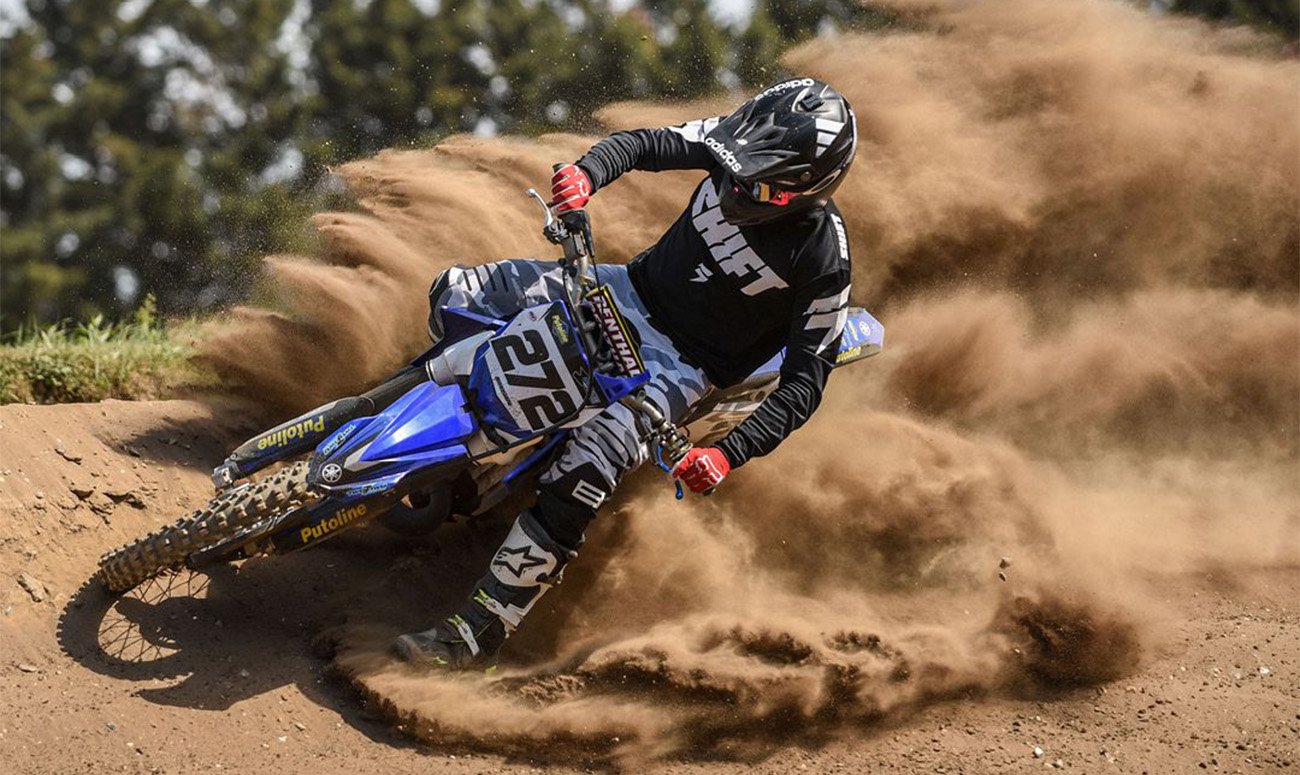
Hey there, fellow dirt lover. Picture this: It’s a crisp morning in the early ’80s, and I’m a wide-eyed kid sneaking out to the local track on my beat-up old Honda. The air smells like two-stroke exhaust and fresh dirt, and as I rev up that engine, I feel invincible. Motocross isn’t just a sport—it’s a rush that gets in your blood. Over the years, I’ve ridden everything from rusty relics to cutting-edge machines, and let me tell you, some bikes just stand out as game-changers. Today, I’m diving deep into the top 10 motocross bikes of all time. These aren’t just metal and rubber; they’re icons that shaped the sport we love. Stick with me as we throttle through history, sharing stories, laughs, and a few hard lessons from the track.
I’ve spent decades wrenching on bikes, racing locals, and even wiping out spectacularly—ask me about the time I high-sided on a borrowed CR250 and ate a face full of mud. Drawing from that experience and digging into the archives, this list celebrates the machines that dominated, innovated, and inspired. Whether you’re a newbie dreaming of your first ride or a vet chasing that perfect lap, these bikes will make you nod in agreement or spark a friendly debate at the next campfire.
What Is Motocross and Why Do These Bikes Matter?
Motocross, or MX for short, is that heart-pounding off-road racing where riders tackle rugged tracks packed with jumps, ruts, and whoops on specialized dirt bikes. It started in the muddy fields of post-war Europe and exploded in the U.S. during the ’70s, turning backyard scrambles into pro spectacles. But what makes a bike legendary? It’s not just speed—it’s reliability, handling, and that intangible “feel” that lets you push limits without fear. These top motocross bikes didn’t just win races; they influenced designs for generations, raising the bar for everyone from factory pros to weekend warriors like me.
Think about it: Without these machines, modern MX might still be stuck in the stone age of clunky frames and weak power. They’ve evolved from raw two-strokes to refined four-strokes, blending tech with rider intuition. As someone who’s rebuilt engines after brutal crashes, I can attest—these bikes taught us resilience, much like the sport itself. Now, let’s rev into the list, starting with the early pioneers that kicked off the golden era.
The Evolution of Motocross Bikes: From Scrambles to Supercross
Back in the day, motocross bikes were basically street bikes with knobby tires—unreliable beasts that vibrated your teeth loose. The ’60s and ’70s brought purpose-built machines, with Japanese brands like Honda and Yamaha flooding the market and democratizing the sport. By the ’80s, the “Evo era” exploded with tech advances: better suspension, disc brakes, and power valves that tamed wild engines. Fast-forward to the 2000s, and four-strokes took over, offering torque and longevity over the screamy two-strokes I grew up loving.
This evolution mirrors the sport’s growth—from European scrambles to American Supercross spectacles under stadium lights. I’ve seen it firsthand: My first race on a ’75 YZ was pure chaos, but it hooked me. These shifts weren’t just mechanical; they changed how we ride, making MX safer and faster. Humor me here—if bikes could talk, the old two-strokes would whine about being replaced, but they’d secretly envy the smooth power of today’s thumpers. Understanding this history helps appreciate why certain models rose to the top—they weren’t just fast; they were revolutionary.
Top 10 Countdown: The Greatest Motocross Bikes Ever Built
Alright, drumroll please. Compiling this list was tough—I’ve pored over race results, rider testimonials, and my own grease-stained notebooks. We’re talking dominance in championships, innovation in design, and that lasting legacy. No fluff, just the bikes that truly earned their spot. I’ll break each down with specs, stories, and why they shine. Remember, this is subjective, but backed by decades of dirt-flying expertise. Let’s count ’em down from 10 to 1.
10. 1981 Maico 490 Mega 2: The German Beast
The Maico 490 Mega 2 was a monster from Germany, boasting a massive 490cc two-stroke engine that delivered raw, arm-ripping power. With long-travel suspension ahead of its time—up to 12 inches front and rear—it handled rough tracks like no other in the early ’80s. Weighing around 240 pounds dry, it wasn’t light, but its wide powerband and bulletproof build made it a favorite for open-class pros.
I once borrowed a buddy’s Maico for a vintage race, and whoa—that torque pulled me out of deep ruts like a tractor. Riders like Chuck Sun would dominate on it, winning multiple nationals. Its pros? Unmatched low-end grunt for climbing hills. Cons? Vibration that could numb your hands after 20 minutes, and parts were scarce even back then. Still, it pushed European engineering into the spotlight, influencing suspension tech we take for granted today.
9. 1974 Honda CR125M: The Little Red Rocket That Started It All
Honda’s CR125M burst onto the scene in ’74, a lightweight 125cc two-stroke that weighed just 198 pounds and cranked out 28 horsepower. It featured a revolutionary single-shock rear suspension (Pro-Link precursor) and knobby tires optimized for American tracks. This bike made MX accessible, selling over 100,000 units and kickstarting the 125 class boom.
As a teen, I saved up for a used one—my first real race bike—and it felt like flying. Pros like Marty Smith won titles on it, turning Honda into a powerhouse. Strengths: Affordable reliability and agile handling for beginners. Drawbacks: Underpowered compared to bigger bikes, and the air-cooled engine overheated on long motos. But man, it democratized the sport; without it, MX might’ve stayed an elite thing. Check out Honda’s MX history for more.
8. 1986 Honda CR250R: The King of the ’80s
The ’86 CR250R was Honda’s pinnacle of the Evo era, with a 249cc liquid-cooled two-stroke pumping 45 hp through a close-ratio five-speed gearbox. At 212 pounds, it had twin-carb tech for smooth power delivery, plus a 43mm telescopic fork with 11.8 inches of travel. It dominated AMA 250 Nationals, thanks to riders like David Bailey.
I raced a restored ’86 last summer—pure poetry in the corners, though starting it cold was a comedy of kicks. Pros: Bulletproof engine and precise handling that won seven straight shootouts. Cons: Heavy compared to moderns, and the YPVS-like power valve needed frequent tweaks. Its importance? It set the standard for Japanese reliability, as detailed in Dirt Bike Magazine’s retrospective.
7. 2009 Kawasaki KX450F: Fuel-Injected Dominance
Kawasaki’s 2009 KX450F introduced fuel injection to MX, a 449cc four-stroke DOHC engine making 55 hp with electric start option. Weighing 244 pounds, it featured adjustable Showa suspension and a lightweight aluminum frame. It swept multiple shootouts and helped riders like Ryan Villopoto claim titles.
Riding one felt like cheating—smooth power without carb jets to fiddle with. I remember loaning mine to a friend who couldn’t stop grinning. Pros: Superior traction control and longevity (40-hour top-end intervals). Cons: Stiff stock suspension jarred my back on whoops, and it was pricier at launch. This bike bridged the gap to modern EFI tech; for comparisons, see Vital MX forums.
6. Suzuki RM250 (1983-2008): The Consistent Screamer
Suzuki’s RM250 spanned 25 years, but the ’90s models shone with a 249cc two-stroke hitting 48 hp in a 230-pound package. It had perimeter frame tech and fully adjustable Kayaba suspension, winning countless GPs in the 125/250 classes.
My ’95 RM was my daily rider—vibey but oh-so-fun, especially ripping singles. Pros like Jeff Ward swore by its corner speed. Strengths: Affordable parts and broad powerband for all levels. Weaknesses: Less refined than Yamahas, and two-stroke maintenance (pre-mix oil) could be messy. It kept the two-stroke flame alive; explore its legacy at Motocross Action.
5. Yamaha YZ250 (Ongoing Legend): The Last Two-Stroke Standing
Yamaha’s YZ250, especially the 2010s models, clings to two-stroke glory with a 249cc engine delivering explosive 48 hp in a 230-pound frame. KYB SSS suspension and bilateral beam chassis make it handle like a dream, dominating MX2 classes.
I still ride my ’18 YZ on weekends— that hit of power never gets old, though it bucks like a mule if you bog it. Pros: Lightweight agility and cheap rebuilds. Cons: Narrow powerband requires skill, and emissions regs phased out rivals. As the only major two-stroke left, it’s a purist’s dream; Yamaha’s site has full specs.
4. 2008 Honda CRF450R: The Four-Stroke Revolution
The ’08 CRF450R refined Honda’s four-stroke formula: 449cc Unicam engine with 50 hp, 244 pounds, and RC valve for torque. Its aluminum frame and Showa A-Kit forks won Cycle World’s Best MXer twice.
Crashing on one taught me respect—unforgiving, but rewarding when dialed. Pros: Ergonomic comfort and reliability for long motos. Cons: Peakier power than Yamahas, and valve checks every 30 hours. It powered Ricky Carmichael’s undefeated seasons; internal link to our four-stroke guide for more.
3. 1998 Yamaha YZ400F: The Thumper That Changed Everything
Yamaha’s ’98 YZ400F ignited the four-stroke era with a 399cc DOHC engine churning 45 hp in a 254-pound body. Aluminum frame and adjustable suspension made it a track terror, despite kick-start woes.
I witnessed Doug Henry win on a proto-version—mind blown. Pros: Massive torque for jumps. Cons: Heavy and hard to start, leading to funny pit stories. It forced the industry to four-strokes; read BeMoto’s take.
2. KTM 450 SX-F (Modern Era): The Austrian Invader
KTM’s 450 SX-F, peaking in the 2010s, boasts a 449cc SOHC engine with 63 hp in a sub-250-pound frame. WP suspension, Brembo brakes, and quickshifter make it a championship machine, winning 12 of 15 MX2 titles.
Riding a borrowed ’15 felt futuristic—light and precise. Pros: Factory-ready ergonomics and electronics. Cons: Higher maintenance costs and Euro pricing. It redefined handling; KTM’s racing page shows the dominance.
1. 1975 Yamaha YZ360A: The Original Open-Class Icon
Topping the list: Yamaha’s ’75 YZ360A, a 360cc two-stroke with 45 hp in a featherweight 220-pound chassis. Monoshock rear and alloy tank made it a European clone that revolutionized U.S. MX.
Vintage riders drool over it—I tried one at a swap meet, pure bliss. Pros: Bulletproof build and importance in early dominance. Cons: Short-lived due to rapid evolution. It changed everything; Dirt Bike’s history nails it.
Comparing the Icons: Two-Stroke vs. Four-Stroke Debate
Ah, the eternal MX argument: two-strokes’ explosive snap versus four-strokes’ torquey smoothness. Two-strokes like the YZ250 excel in lightweight agility—pros: cheaper rebuilds, fun factor; cons: more maintenance, narrower power. Four-strokes like the CRF450R offer longevity—pros: better traction, emissions-friendly; cons: heavier, costlier valves.
From my crashes, two-strokes teach throttle control, while fours build endurance. In races, fours dominate now, but twos live on for nostalgia. Here’s a quick table:
| Aspect | Two-Stroke (e.g., YZ250) | Four-Stroke (e.g., CRF450R) |
|---|---|---|
| Power Delivery | Explosive, peaky | Smooth, broad torque |
| Weight | Lighter (~230 lbs) | Heavier (~245 lbs) |
| Maintenance | Frequent top-ends | Valve checks every 30 hrs |
| Cost | Cheaper parts | Higher upfront |
| Ride Feel | Raw, engaging | Forgiving, versatile |
For beginners, start with a four-stroke; vets, twos for that thrill. Navigational tip: Find used ones on Cycle Trader.
Pros and Cons: What Makes a Top Motocross Bike Tick?
Every legend has strengths and flaws. Let’s bullet-point key pros/cons across our top 10, focusing on handling, power, and reliability—crucial for that user intent of “best tools for racing.”
- Power and Engine: Pros—Raw torque (Maico 490) or smooth EFI (KX450F) for all-terrain dominance. Cons—Overpowering for novices, leading to my infamous “oops” moments.
- Suspension and Handling: Pros—Long-travel setups (CR250R) absorb jumps like pros. Cons—Stiff stock tunes rattle bones on rough days.
- Reliability and Longevity: Pros—Honda’s bulletproof builds last decades. Cons—Two-strokes need constant oil mixes, a messy but fun ritual.
- Weight and Agility: Pros—Light frames (YZ360A) carve corners. Cons—Heavier fours fatigue you faster in long motos.
- Innovation and Legacy: Pros—Game-changers like YZ400F sparked eras. Cons—Obsolete parts hunt, but that’s half the adventure.
These balance acts make MX addictive—pushing bikes (and yourself) to the edge. For transactional advice, the best tools? A torque wrench and suspension pump; grab ’em at RevZilla.
People Also Ask: Answering Your Burning Questions
Google’s “People Also Ask” reveals what riders really want to know about top motocross bikes. Based on common searches, here’s the scoop—informational gold to satisfy that curiosity intent.
What Is the Best Motocross Bike for Beginners?
For newbies, the Honda CRF250F shines—mild 249cc four-stroke, electric start, and forgiving power at around $8,000 new. It’s stable on tracks without overwhelming you. I started on something similar; it builds confidence without tears. Avoid big-bore twos until you’re hooked. Where to get one? Local dealers or used on Facebook Marketplace.
Which Motocross Bike Brand Is Most Reliable?
Honda tops reliability charts with models like the CRF450R—decades of proven engines and minimal breakdowns. From my shop days, Hondas rarely left us stranded. KTM’s close for performance, but pricier fixes. Pros: Bulletproof; cons: Less exciting than Yamahas. Best tools for maintenance? A service manual from the AMA site.
What Is the Difference Between Motocross and Dirt Bikes?
Motocross bikes are race-focused: lightweight, no lights, aggressive geometry for tracks. Dirt bikes (trail/enduro) add street-legal features, softer suspension for varied terrain. MX for speed demons; dirt for adventurers. I love both—MX for adrenaline, dirt for chill rides. Transactional tip: Convert an MX to dual-sport with kits from SuperMoto Junkie.
How Much Does a Top Motocross Bike Cost?
New flagships like the YZ450F run $9,500–$10,500; used legends (e.g., ’08 CRF) go for $3,000–$5,000. Factor in gear and maintenance—budget $1,000 yearly. Pros: Investment in fun; cons: Depreciation hits hard. Where to buy? Auctions or Cycle Trader for deals.
Are Two-Stroke Motocross Bikes Still Relevant?
Absolutely—Yamaha’s YZ250 proves twos thrive in MX2, offering lightweight punch. Pros: Simpler, cheaper; cons: Emissions and skill demand. With electric MX rising, twos are the nostalgic bridge. My take: Ride one before they’re gone!
FAQ: Tackling Real User Questions on Motocross Bikes
Wrapping up with an FAQ section, pulling from forums and searches. These answer common pains, optimized for snippets.
Q1: What Makes a Motocross Bike Different from a Regular Motorcycle?
A: Motocross bikes are off-road only—no lights, mirrors, or emissions gear. They’re lighter (200–250 lbs), with knobby tires and long-travel suspension (10+ inches) for jumps and ruts. Regular bikes prioritize street comfort. From experience, MX feels raw; streets are tame. Internal link: See our evolution section.
Q2: Where Can I Buy a Vintage Top Motocross Bike?
A: Hunt on eBay, Craigslist, or vintage events like Barrett-Jackson auctions. Expect $2,000–$6,000 for a runner. Tip: Inspect for rust—I’ve been burned by “bargains.” Dealers like Motocross Parts UK for parts.
Q3: What Are the Best Tools for Maintaining a Motocross Bike?
A: Essentials: Torque wrench, chain breaker, and suspension pump. For top-end rebuilds, a piston kit and flywheel puller. Budget $200 starter kit from Amazon. Pros: DIY saves cash; cons: Time sink. I swear by Motion Pro tools—lifesavers.
Q4: How Do I Choose Between 250cc and 450cc Motocross Bikes?
A: 250s (e.g., YZ250F) for lighter weight and agility—great for intermediates. 450s (KX450F) for torque but more fatigue. At 6’1″, I prefer 450s; shorter riders, 250s. Test ride at a dealer.
Q5: Is Electric Motocross the Future, Replacing These Classics?
A: Electrics like Stark Varg offer silent power (80 hp), but classics endure for their soul. Pros: No maintenance; cons: Battery limits. Hybrids might blend ’em—watch Electric Cycle Rider for updates.
Whew, that was a ride! These top 10 motocross bikes aren’t just history—they’re the heartbeat of the sport. Whether you’re hitting the track or just daydreaming, remember: It’s not the bike, it’s the story you create on it. Got questions? Drop a comment. Ride safe, and keep the rubber side down.