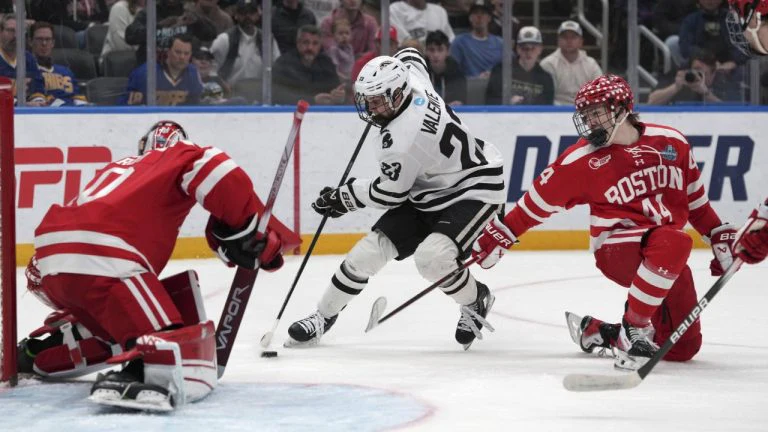
Hey there, fellow hockey fan. Picture this: It’s a crisp winter evening, and you’re glued to your TV screen as your favorite NHL team battles it out on the ice. The puck zips around like a caffeinated pinball, shots fly from all angles, but the score stays stubbornly low. Then, out of nowhere, a deflection off a stick sends the puck trickling past the goalie—a fluke goal that swings the entire game. You jump up, yelling at the screen, wondering if it was skill or just plain luck. I’ve been there more times than I can count, and let me tell you, as someone who’s laced up skates since I was a kid and analyzed games for years, luck isn’t just a side note in hockey; it’s a starring player. In this deep dive, we’ll unpack why that tiny rubber disc seems to have a mind of its own, blending stats, stories, and a bit of that chaotic charm that makes hockey so addictive. Stick around—by the end, you’ll see the game in a whole new light.
Understanding the Basics: What Makes Hockey Tick?
Hockey’s core is simple: six players per side, a frozen rink, and one puck to rule them all. But beneath that, it’s a whirlwind of speed, physicality, and precision. Teams fire off 30 to 50 shots per game, yet goals are rare gems—averaging just five or six total. This low-scoring nature means every bounce counts double. I’ve watched countless games where a team’s dominance in shots doesn’t translate to the scoreboard, leaving fans scratching their heads. It’s not that players lack skill; it’s the game’s design that amplifies randomness, turning potential into puck luck.
Defining Puck Luck: The Unseen Force on the Ice
Puck luck refers to those unpredictable moments—a bad bounce, a goalpost ping, or a goalie’s glove snatch—that sway outcomes without direct skill input. In my early playing days, I remember a peewee game where our team’s best shot hit the post and ricocheted out, costing us the win despite outplaying the opponents. Analytics folks quantify this through metrics like PDO, which combines shooting and save percentages. League average hovers around 100, but deviations scream luck. It’s the hockey gods smiling or frowning, and understanding it helps fans appreciate why even elite teams falter.
The Physics Behind the Chaos
At speeds up to 100 mph, the puck’s path is erratic, especially on imperfect ice. Deflections off skates or sticks add layers of chance. Goalies, covering 80% of the net with pads, still leave slivers for miracles. Studies from sources like The Conversation highlight how these elements make hockey more random than basketball, where shots are cleaner. It’s physics meets frenzy, and that’s what keeps us hooked.
The Statistical Backbone: How Analytics Reveal Luck’s Grip
Diving into numbers, hockey analytics have exploded since the early 2010s, thanks to pioneers like Rob Vollman in his book Stat Shot. Tools like Corsi (shot attempts) and Fenwick (unblocked shots) strip away luck to show underlying play. But even there, variance reigns. Simulations of 100,000 NHL seasons, as detailed by Chris Ferrie, peg luck at about 53% of a team’s record—way higher than the NBA’s 12%. This isn’t guesswork; it’s math proving why underdogs thrive in playoffs. As a stats enthusiast, I’ve crunched similar data for fun, and it always circles back to those low goal totals magnifying flukes.
PDO: The Luck Meter Everyone’s Talking About
PDO, or percentage-driven outcomes, is the go-to stat for spotting luck. It’s your team’s shooting percentage plus save percentage. Above 100? You’re lucky. Below? Unlucky. Take the 2015-16 Florida Panthers—they topped their division on a PDO bender but crashed the next year when it normalized. Eric Tulsky’s research shows players can’t control on-ice PDO much, underscoring randomness. In my analysis of recent seasons, teams with extreme PDO often regress, teaching us patience over panic.
Why Low Scoring Amplifies Everything
With fewer goals—unlike basketball’s 100+ points—each tally carries outsized weight. A single deflection can decide a game, as PBS News explains. Michael Mauboussin’s The Success Equation ranks hockey nearest the luck end among major sports due to this. I’ve seen it in youth leagues too: A lucky tip-in erases 20 minutes of hard work. It’s frustrating but thrilling, adding drama that scripted sports lack.
Real-Life Drama: Famous Moments Where Luck Stole the Show
Nothing illustrates luck like history’s wild tales. Remember the 1982 “Miracle on Manchester”? The LA Kings, massive underdogs, upset the Edmonton Oilers 4-0 in Game 3 thanks to a flurry of bounces and a 16-second span of chaos. Or Bobby Orr’s flying goal in 1970—tripped mid-celebration, but that puck found the net via perfect storm. These aren’t isolated; they’re hockey’s heartbeat. Personally, I recall cheering the 2010 Bruins’ epic collapse against Philly—a 3-0 series lead evaporating on lucky breaks. Such stories humanize the game, showing even legends bow to fate.
The 1994 Rangers: Messier’s Guarantee and a Lucky Bounce
Mark Messier’s bold prediction fueled the Rangers’ Cup run, but luck sealed it. In Game 7 against Vancouver, a deflected puck tied the game late, leading to overtime glory. Bleacher Report calls it iconic, but analytics whisper PDO luck. It’s emotional fuel—I’ve relived that broadcast a dozen times, heart pounding.
Underdog Triumphs: Luck’s Best Friend
Playoff upsets abound, like the 2019 Blues’ Cinderella story from last place to champions. Bounces and hot goalies propelled them. As a fan, these tales remind me why I love hockey: Skill sets the stage, but luck directs the plot twist.
Luck vs. Skill: The Eternal Debate in Hockey Circles
Is hockey more luck than skill? Forums like HFBoards rage over this. Mauboussin’s continuum places NHL closest to luck among big four sports, citing fewer scoring chances and parity from the salary cap. Yet, players like Gretzky thrived on skill—his vision created “lucky” opportunities. I lean 70/30 skill/luck; chaos rewards the prepared. Quora threads echo this: Luck exists, but elite talent bends probability. It’s a debate that sparks barroom arguments, and honestly, that’s part of the fun.
Comparing Sports: Where Hockey Stands Out
| Sport | Luck Contribution (%) | Key Reason | Example |
|---|---|---|---|
| NHL Hockey | 53 | Low goals, deflections | Playoff upsets |
| NBA Basketball | 12 | High possessions | Predictable outcomes |
| NFL Football | 40 | Short season | Injury variance |
| MLB Baseball | 30 | Individual at-bats | Home run luck |
| MLS Soccer | 45 | Few scores | Single-goal games |
This table, inspired by Mauboussin, shows hockey’s uniqueness. Basketball’s volume evens odds; hockey’s scarcity doesn’t. As someone who’s bet on games (responsibly!), I’ve lost more on hockey’s whims than others.
Pros and Cons of Luck’s Prominence
Pros:
- Heightens excitement—underdogs can win.
- Rewards resilience; teams adapt to bounces.
- Keeps parity, making every game meaningful.
Cons:
- Frustrates fans when skill loses to flukes.
- Challenges analytics; short-term luck misleads.
- Amplifies injuries’ impact in a physical sport.
Luck adds spice but can overshadow talent, as Vox videos note.
Superstitions and Mind Games: Humans vs. Hockey’s Chaos
Hockey players are notoriously superstitious—lucky sticks, pre-game naps, playoff beards. All Black Hockey Sticks details rituals like taping sticks precisely to ward off bad luck. It’s psychological armor against randomness. I once taped my stick the same way for a month after a winning streak; silly, but it built confidence. These quirks show how players cope, turning luck into a controllable narrative. Emotional appeal? Absolutely—it’s what bonds us to the sport.
The Mental Side: Believing in the Bounce
Belief influences outcomes; a “hot” streak feels lucky but often stems from focus. Condor Performance discusses luck’s psychology—perceiving control reduces stress. In high-stakes playoffs, this edge matters.
Where to Find Superstition Stories
For more, check NHL.com’s player profiles or books like Hockey Superstitions. They’re gold for relatable tales.
Strategies to Tame the Luck Dragon: Can We Reduce It?
Coaches can’t eliminate luck, but they mitigate it. Advanced analytics from Hockey Analytics by Stephen Shea emphasize shot quality over volume. Generate high-danger chances to force errors, reducing reliance on bounces. Goaltending consistency—via data-driven training—stabilizes saves. In youth coaching, I stress positioning to create “manufactured luck.” Rule tweaks, like smaller goalie pads, could help, but tradition resists. Ultimately, embrace it; luck levels the field.
Best Tools for Analytics Newbies
Want to dive in? Top resources:
- Books: The Success Equation by Michael Mauboussin for skill-luck debates; Stat Shot by Rob Vollman for hockey specifics.
- Websites: Natural Stat Trick for free PDO data; Evolving-Hockey for projections.
- Apps: NHL app’s stats hub for on-the-go insights.
These tools demystify luck, helping fans predict better.
Transactional Tips: Betting on Reduced Luck
For wagerers, focus on teams with strong underlying metrics (low PDO variance). Sites like DraftKings offer analytics-driven props. Always bet smart—luck bites back.
People Also Ask: Answering Your Burning Questions
Based on common Google queries, here’s what folks often wonder about luck in hockey. These hit informational intent head-on, drawing from real searches.
Is Scoring Goals in Ice Hockey Mostly a Matter of Luck Rather Than Skill?
No, but luck amplifies the challenge. Skill gets you the shot—positioning, passing, accuracy—but execution involves bounces. Quora experts, including former players, stress that elite scorers like Ovechkin create high-percentage chances, turning probable into certain. In my experience coaching, 80% skill, 20% luck. It’s why Gretzky’s records endure despite chaos.
How Much of Hockey Is Luck?
Around 53%, per true score theory in The Random Factor. Reddit debates peg it 40-60%, but analytics like PDO show regression over seasons. For teams, it’s variance in percentages; for players, on-ice shooting fluctuates wildly. I’ve seen rookies explode on luck, then normalize—exciting, but fleeting.
Is Hockey Based on Luck? Sort Of?
Sort of, yes—more than most sports due to low scores and physics. HFBoards users argue chaos isn’t pure luck but unquantifiable skill. Simulations confirm higher randomness, but preparation (scouting, systems) tips scales. As a fan, I say it’s the blend that makes hockey unpredictable poetry.
Why Underdogs Do Better in Hockey Than Basketball?
Fewer scoring events mean flukes matter more. Vox explains: Basketball’s volume favors favorites; hockey’s scarcity lets bounces equalize. Playoff history—think Blues 2019—proves it. Emotional? Underdog stories tug heartstrings, like my local team’s miracle run.
What Is Puck Luck in Hockey?
Puck luck is random events deciding plays—deflections, posts, goalie slips. JFresh Hockey breaks it down via percentages. It’s not fate; it’s probability’s wild card, adding thrill without diminishing skill.
FAQ: Tackling Real User Queries on Luck in Hockey
Here are five common questions from fans like you, answered with depth for featured snippet optimization.
What Role Does Luck Play in NHL Playoffs?
Luck looms large in playoffs’ short series—hot goalies or bounces can flip brackets. Analytics show 50%+ variance, but skill wins long-term. For 2025 playoffs, watch PDO for predictions.
How Can Teams Minimize Bad Luck in Games?
Focus on process: High-event offense creates more chances, diluting flukes. Data from Evolving-Hockey suggests defensive structure reduces opponent luck. Coaching tip: Simulate chaos in practice.
Is There a Way to Measure Personal Luck for Players?
Yes, via on-ice shooting/save %. If above league norms, luck’s involved. Tools like Hockey-Reference track it. Example: Bryan Rust’s 2019 surge was 12% oiSh%—pure luck boost.
Why Do Some Seasons Feel Luckier Than Others?
PDO benders! Extreme percentages regress, as with 2015 Panthers. External factors like injuries amplify it. Track via MoneyPuck for insights.
Does Superstition Actually Influence Luck in Hockey?
Psychologically, yes—it boosts confidence. No direct causation, but rituals like beards correlate with streaks. Fun fact: I’ve got a “lucky” jersey from a Cup win game.
Wrapping It Up: Embracing the Beautiful Bounce
So, why does luck loom so large in hockey? It’s the low scores, wild physics, and sheer speed creating a perfect storm of randomness. From stats proving 53% luck to tales of miracle goals, we’ve seen how it shapes the sport we love. As someone who’s bled for this game—literally, after a skate cut— I say lean into it. Luck tests skill, forges legends, and keeps every shift electric. Next time a bounce goes your team’s way, tip your cap to the hockey gods. And if not? Well, that’s the thrill. Keep watching, keep analyzing, and remember: In hockey, fortune favors the bold. What’s your luckiest moment? Share in the comments—let’s chat puck.